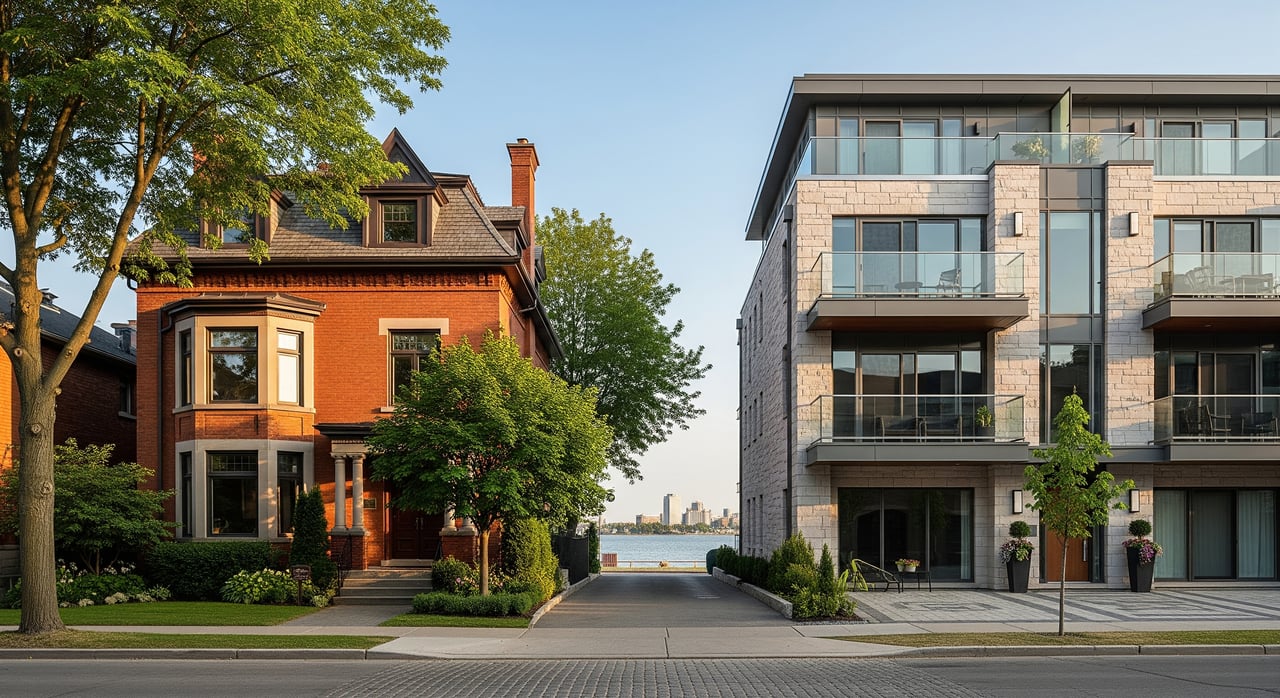
Choosing between a character home near Barrie’s waterfront and a sleek new build on a quiet crescent can feel like two different lifestyles. You want everyday convenience, a home that fits your routine, and confidence that your choice will hold value over time. In this guide, you’ll compare established neighbourhoods in and around Downtown Barrie with newer master-planned communities, so you can weigh walkability, maintenance, commuting, and resale with clarity. Let’s dive in.
What “established” and “newer” mean in Barrie
Established neighbourhoods sit in and around Downtown Barrie and the city’s early suburbs. They follow a historic street grid, blend residential with local retail, and feature mature trees and older building stock, including heritage homes, bungalows, and low-rise apartments. You’ll often find smaller lots, fine-grain shops and services, and easy access to the waterfront and civic amenities.
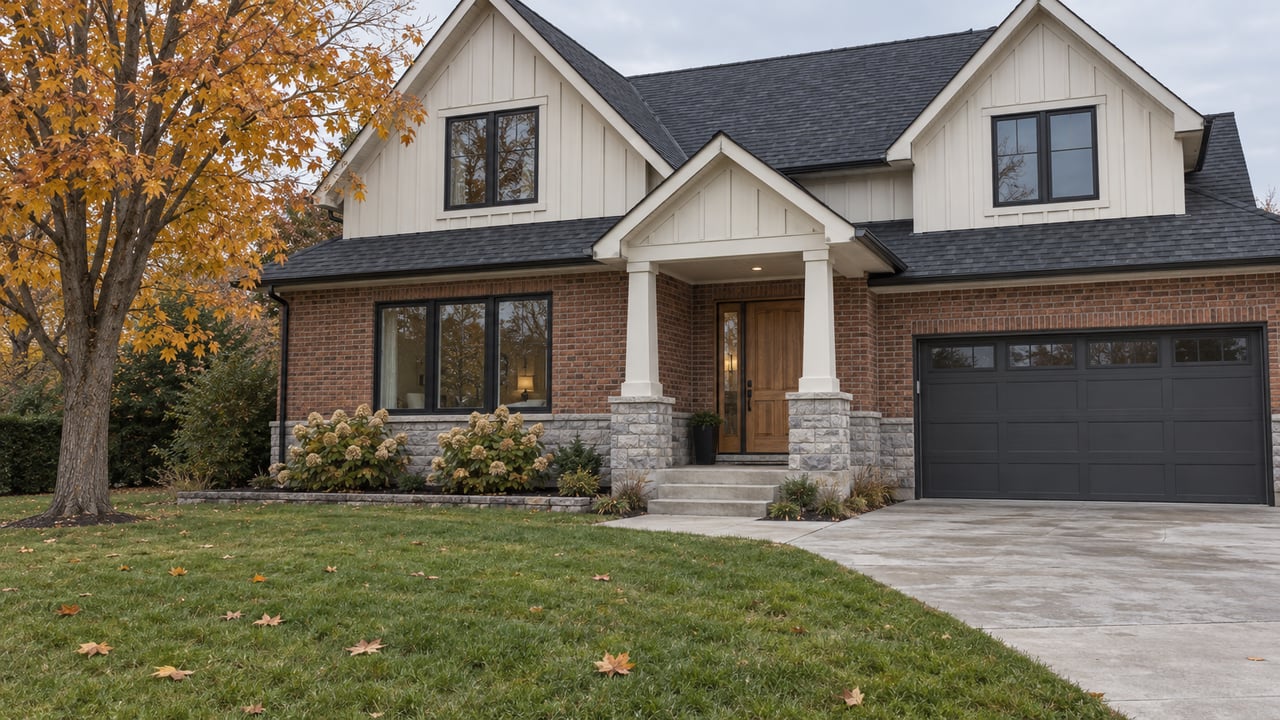
Newer master-planned communities are purpose-built subdivisions developed from the late 1990s to today on Barrie’s urban edge. Expect curvilinear streets and crescents, collector roads, phased parks and retail nodes, and a housing mix led by modern detached, semis, townhomes, and low-rise condo blocks. These areas are typically designed for car access while still offering internal park networks and nearby shopping districts.
Lifestyle trade-offs at a glance
- Walkability vs. yard size: Established areas often win on walkable access to cafés, waterfront trails, and services. Newer communities typically offer larger private yards and wider driveways.
- Character vs. maintenance: Older homes can deliver standout architecture and charm. They may also require updates to mechanicals or exterior systems. Newer builds reduce near-term maintenance but can vary in finish quality by builder.
- Immediate amenities vs. phased delivery: Downtown conveniences are in place now. In newer areas, parks, retail, and community amenities may arrive in stages.
- Transit proximity vs. highway focus: Established areas are closer to the Allandale Waterfront GO terminus and local routes. Newer areas emphasize quick highway access for drivers.
Housing, lots, and maintenance
Housing types and age
In established neighbourhoods, you’ll see a mix: century homes, mid-century bungalows, semi-detached options, and some infill townhomes and condos. Architecture skews heritage or mid-century, and renovation potential is often strong. The flip side is that building systems may be older, so plan for inspections that focus on electrical, insulation, windows, and roofing.
Newer master-planned areas are dominated by modern detached homes, semis, and townhomes, with low-rise condo or stacked-town options in select nodes. These homes meet newer building codes, so energy performance and systems start newer. Quality and finishes depend on the builder and price point, so it pays to review builder reputation and warranty coverage.
Lot size and outdoor space
Established inner areas often have narrower, deeper lots with mature landscaping that adds privacy and shade. Yards may be smaller, but the tree canopy and established gardens deliver a distinct sense of place. Street setbacks are typically tighter, and driveway widths may be limited by the older grid.
Newer subdivisions tend to optimize private yard space and wider frontages, especially for detached homes. You’ll likely find larger street setbacks, wider driveways, and a planned network of parks and stormwater ponds that add shared green space. This can give you both a private yard and access to community trails.
Maintenance and near-term capital
Older homes can come with deferred maintenance. Budget for potential upgrades to windows, roof, insulation, and mechanical systems. If a property has heritage status, exterior changes may be guided by local policies, so understand what is permitted before you plan work.
Newer homes offer lower immediate maintenance on the envelope and systems. In some master-planned communities, amenities roll out in phases, so timing matters. If there are shared elements, confirm any condo or servicing fees and what they cover.
Walkability, amenities, and daily convenience
Downtown and waterfront access
Established areas around Downtown Barrie offer strong walkability to restaurants, cafés, boutiques, cultural spaces, and municipal services. The waterfront trail network along Kempenfelt Bay is a major perk for running, cycling, and relaxed evening walks. Proximity to civic nodes and regional medical services adds everyday convenience.
Newer community amenities
Newer communities are designed with local parks and internal trails. Daily shopping often happens at nearby big-box districts and suburban malls along major arterials. Some master-planned areas include neighbourhood plazas and community centres as they build out, which can improve internal walkability for errands over time.
Parks and open space
Both neighbourhood types offer park access, but the feel differs. Downtown features smaller civic parks and destination waterfront trails. Newer areas deliver larger planned parkland, multi-use trails, and stormwater features that double as green space and neighborhood focal points.
Getting around and commuting
GO Transit and Highway 400
Allandale Waterfront GO Station anchors regional rail service in Downtown Barrie. If you commute to the Greater Toronto Area, living near the terminus can reduce first-mile travel time. For drivers, Highway 400 remains the primary corridor south, with travel times that shift based on peak-hour congestion.
Local transit and first-mile access
Barrie Transit provides city routes, and Simcoe County’s LINX network connects nearby communities. Established areas generally place you closer to frequent local routes and services. Newer communities are served by extensions as they grow, but you may rely on a car more often for non-local trips.
Noise, traffic, and environmental considerations
Downtown living comes with higher street activity, restaurant and nightlife energy, and limited on-street parking on some blocks. In newer edge communities, proximity to arterials or Highway 400 can introduce road noise. Properties near Kempenfelt Bay, creeks, or conservation areas may be subject to floodplain or environmental constraints, so plan to verify mapping before you firm up a purchase.
Market and planning implications
Location premiums and demand
Homes close to the waterfront, downtown amenities, and regional rail access often command a location premium. The trade-off can be smaller private yards and older building components that require upkeep. If you prioritize convenience and lifestyle access, the premium can be worth it long term.
Phasing and amenity timing in new builds
Master-planned communities roll out in stages. Early buyers should confirm timelines for parks, retail nodes, and transit service levels. Resale strength often improves as the amenity set matures and the community fills in.
Density and redevelopment pressure
Municipal policy encourages intensification in strategic areas, which supports downtown living and can unlock redevelopment potential on select corridors. For a buyer, that can mean improved services and rising area vibrancy over time. If you have future plans for additions or accessory units, review zoning and permitted uses before you buy.
Due diligence checklist for buyers
- Walkability test: map grocery, pharmacy, and a transit stop. Walk the route at different times of day.
- Commute reality check: review GO train schedules at Allandale Waterfront GO if relevant and test-drive Highway 400 at peak times.
- Community timeline: if buying new, obtain the developer’s community plan and amenity phasing schedule.
- Building condition: for older homes, book a thorough inspection focused on roof, windows, insulation, and mechanicals. For newer homes, confirm builder reputation and warranty coverage.
- Zoning and permissions: consult municipal planning maps for permitted uses, potential for accessory units, and any planned road or corridor changes.
- Environmental checks: verify conservation authority and floodplain mapping, especially near the bay and creeks.
- Fees and shared elements: confirm any condo or servicing fees in newer communities and what they cover.
- Parking and winter: ask the municipality about on-street parking rules and snow clearing priorities on your target street.
How to choose: quick scenarios
- You want weekend walks on the waterfront, coffee shops within minutes, and an easier rail commute. Established neighbourhoods near Downtown Barrie likely fit best.
- You prefer a larger private yard, a newer home with modern systems, and quick driving access to arterials. A newer master-planned community may align with your routine.
- You value renovation potential and unique architecture. Focus on established areas where older homes can be reimagined within local guidelines.
- You are timing a move with community build-out. Consider a newer subdivision, but confirm park, retail, and transit timelines so expectations match reality.
Work with a local advisor
There is no single right answer. The best neighbourhood for you balances daily convenience, maintenance comfort level, commuting needs, and how you want to spend your free time. A knowledgeable local advisor can help you interpret planning maps, confirm phasing details, and pressure-test resale potential street by street.
If you are weighing Downtown Barrie’s established charm against the space and convenience of newer master-planned communities, let’s talk about your goals and next steps. Connect with the team at The JRB Group to map your options, preview properties that match your lifestyle, and move forward with confidence.
Ready to explore? Browse current Barrie homes for sale to compare established neighbourhoods and newer communities side by side.
FAQs
What defines an established neighbourhood in Barrie?
- Areas in and around Downtown Barrie and early suburbs with a historic street grid, mixed uses, mature trees, and older housing stock, often near the waterfront and civic amenities.
How do newer master-planned communities differ day to day?
- They feature modern homes, wider lots, and internal parks, with shopping concentrated along major arterials, and are typically designed for car access.
Will an older home mean higher maintenance costs?
- It can, depending on prior updates, since items like windows, roofing, insulation, and mechanicals may need attention; a detailed inspection is essential.
How does commuting compare between areas of Barrie?
- Established areas are closer to Allandale Waterfront GO and local transit routes, while newer communities focus on quick highway access for drivers.
Are there environmental or heritage limits I should check?
- Yes, verify floodplain and conservation mapping near the bay and creeks, and confirm any heritage designation or exterior change guidelines.
Do newer communities have extra fees?
- Some include condo or servicing fees for shared elements; review documents to understand costs and what services are covered.