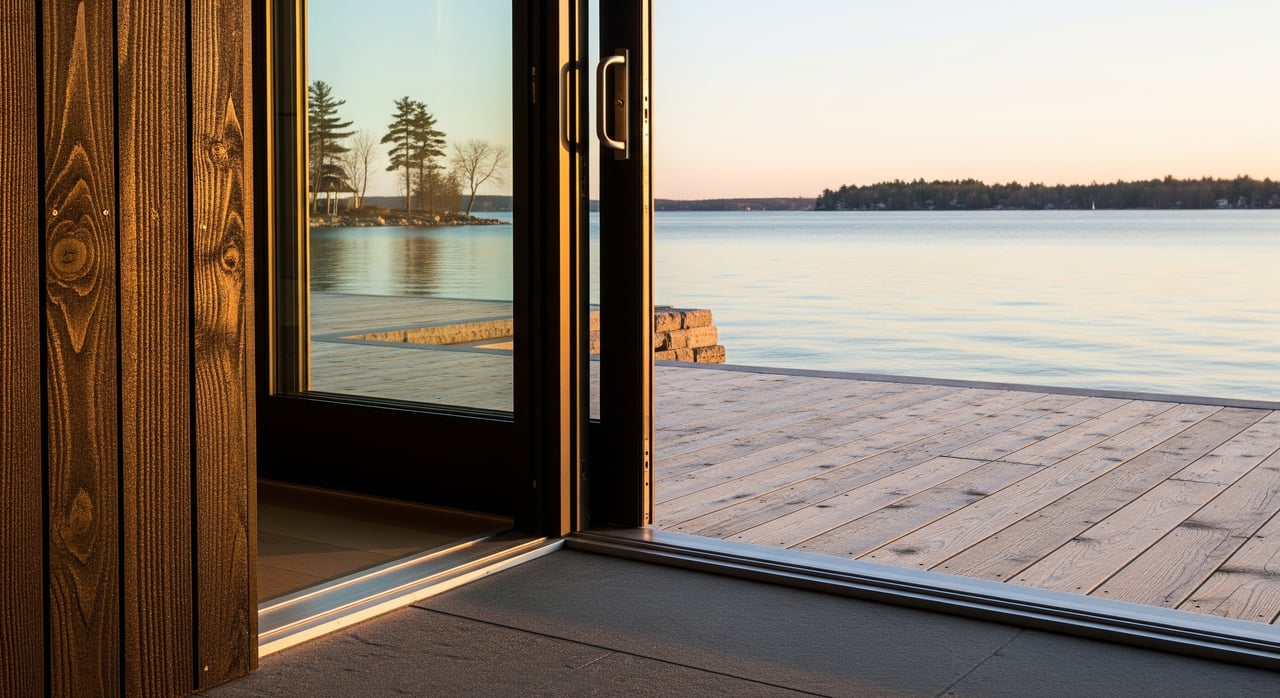
Lake life is hard on finishes. Wind, waves, freeze and thaw, and humid summer air can age a lakehouse faster than a typical in‑town home. If you want your Innisfil property to look sharp and perform year after year, the right materials and details matter. This guide shows you what lasts on Lake Simcoe, how to install it wisely, and how to maintain it so you can relax and enjoy the water. Let’s dive in.
Why Lake Simcoe is tough on finishes
Lake Simcoe shorelines see cold, wet winters with frequent freeze–thaw cycles, then warm, humid summers. That movement pushes water into joints and coatings and tests every seal. Open water increases wind gusts, which can stress cladding, glazing, and roof attachments. Where road salt or boat launches are nearby, chlorides can accelerate metal corrosion.
There is also a regulatory layer near the shoreline. Work may require approvals from the Lake Simcoe Region Conservation Authority and the Town of Innisfil, and all projects must meet Ontario Building Code requirements. Before starting shoreline repairs, docks, additions, or major exterior remodels, confirm permits and setbacks so your plans stay compliant.
Decks that stand up to shoreline life
Surface materials that last
- Capped composite decking: Low maintenance with strong moisture resistance. It cleans easily and does not rot, but it can retain heat in direct sun. Follow the maker’s rules for joist spacing and ventilation to avoid movement and staining.
- PVC decking: Very moisture resistant and easy to maintain. It needs careful fastening and attention to thermal expansion.
- Pressure‑treated lumber: Cost‑effective and durable when maintained. It needs regular sealing or staining and can corrode standard fasteners faster due to treatment chemicals.
- Tropical hardwoods (such as ipe): Naturally tough, long lasting, and beautiful. Expect higher cost, pre‑drilling, stainless fasteners, and routine oiling if you want to preserve color.
Hardware that resists corrosion
Near splash and salt exposure, choose stainless steel 316 for screws, hidden clips, bolts, and brackets. Hot‑dip galvanized hardware may be fine farther from the water, but it can corrode more quickly with frequent salt. At ledgers, use through‑bolts or engineered systems with continuous flashing, and never rely on surface‑mounted fasteners without proper waterproofing.
Smart deck detailing
Give the structure air and drainage so it can dry. Keep clearance under the deck or add drainage matting. Slightly slope deck boards away from the house and leave consistent gaps. Use joist tape where boards meet framing and add robust flashing where the deck meets the home.
Lifespan and care
- Capped composite or PVC: Often 20 years or more with periodic cleaning. Expect some color change and surface wear.
- Pressure‑treated wood: About 10 to 20 years depending on finish and exposure. Plan to re‑seal or re‑stain.
- Tropical hardwoods: Often 25 years or more when detailed well. Boards weather silver without oil but remain strong.
Cladding built for moisture and wind
Durable siding options
- Fiber cement: Stable in freeze–thaw, highly resistant to rot and insects, and works well with a ventilated rainscreen. Follow the manufacturer’s instructions to avoid cracking and edge damage.
- Engineered or thermally modified wood, plus cedar: Warm look with solid durability when paired with a rainscreen and consistent finishing. Re‑staining keeps water beading and color even.
- Metal cladding: Steel or aluminum panels with marine‑grade finishes have excellent service life. Plan for thermal movement and use compatible fasteners to prevent corrosion.
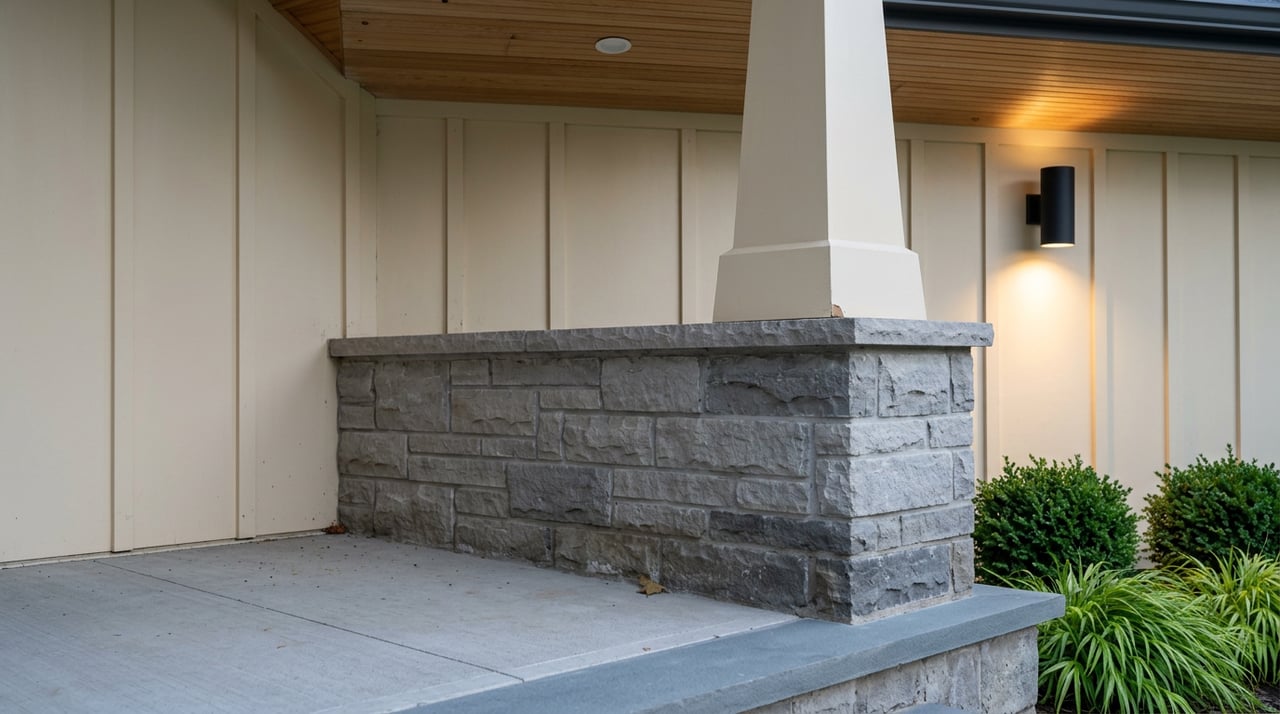
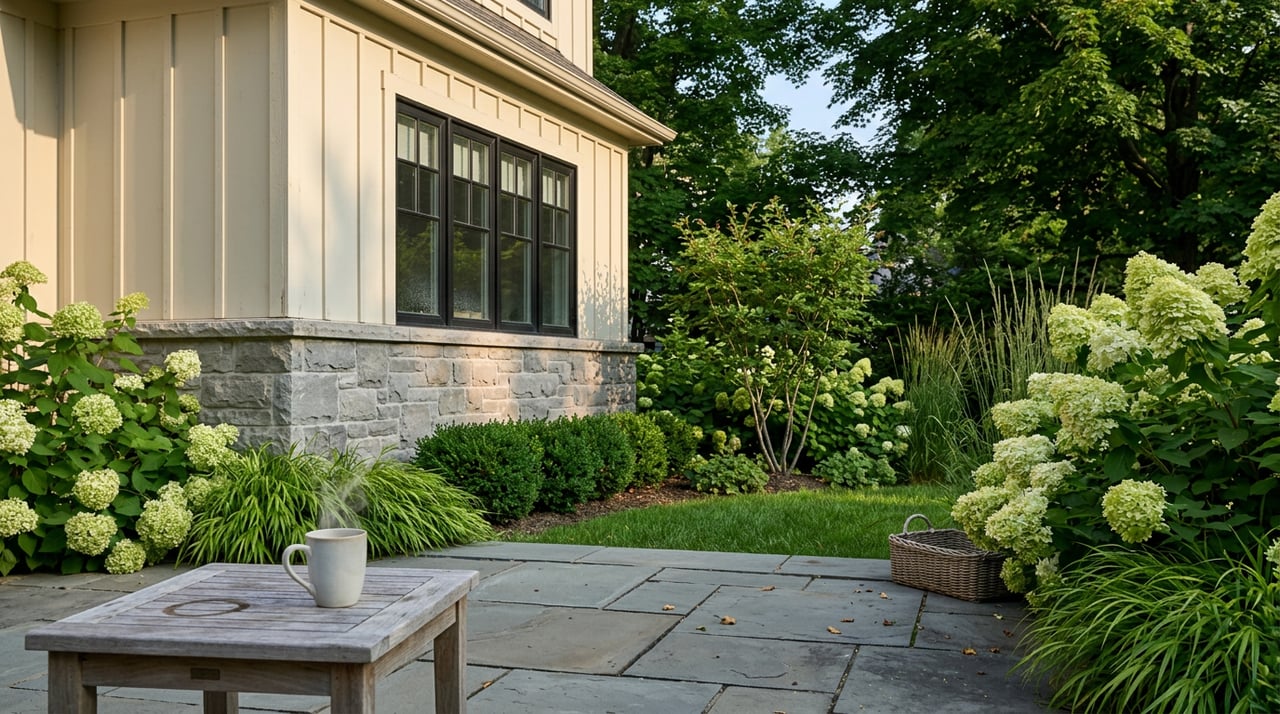
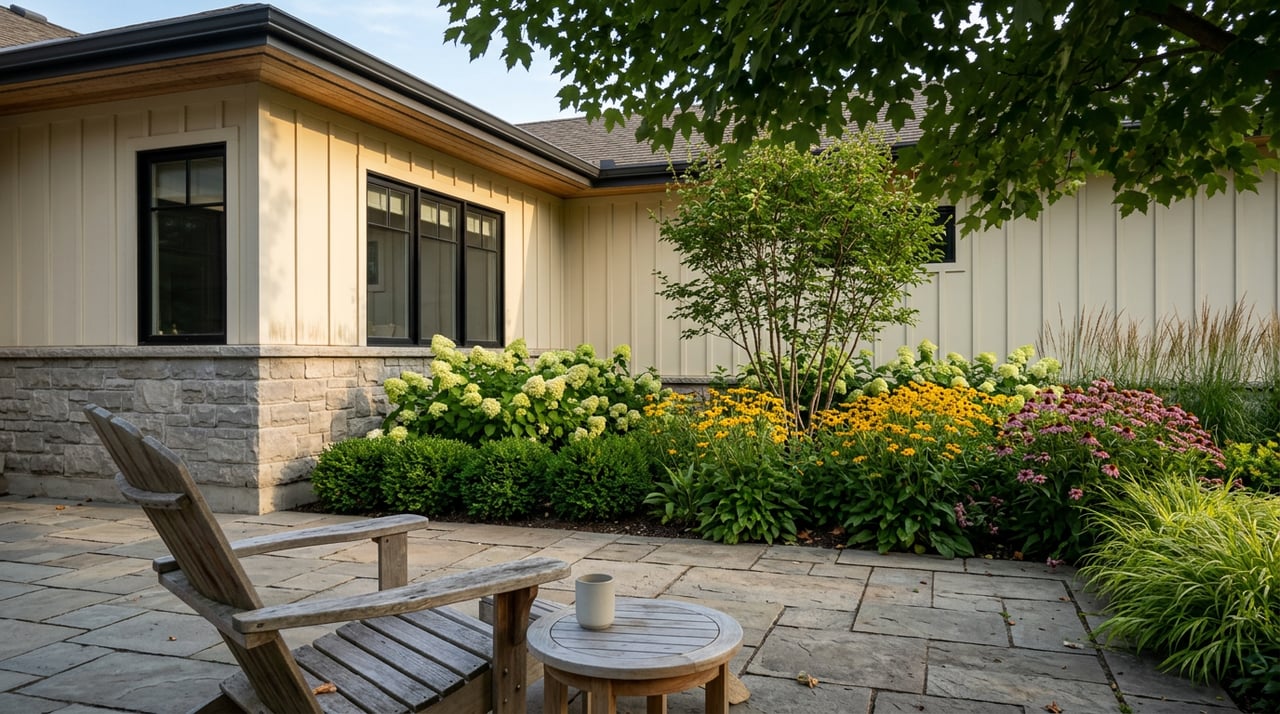
- Stone or manufactured stone veneer: Very durable when installed with drainage and a proper backup wall. It adds weight and cost but protects lower walls well.
- Vinyl siding: Low maintenance and rot resistant. Choose a heavier gauge and proper attachment to reduce wind issues.
Rainscreen and backup wall
Always include a ventilated rainscreen behind siding so walls can drain and dry. Pair it with a continuous water‑resistive barrier and integrate flashing at windows, doors, and foundation transitions. This single step is one of the best investments for long‑term cladding performance.
Trim and base details
Avoid wood right at grade where splash and snow linger. Use fiber cement, stone, metal, or composite in the first one to two feet above grade. Durable soffits and well‑flashed trim protect corners and edges that otherwise take the brunt of wind‑driven rain.
Coatings and finish plans
On wood, use quality water‑repellent preservatives or semi‑transparent stains that shed water yet allow the wood to breathe. Solid paints can protect well but require more prep at recoat. On metal, choose marine‑rated coatings and follow maintenance intervals in the warranty.
Lifespan and upkeep
Fiber cement and well‑finished metal can last for decades with periodic inspections and repainting of metal as needed. Wood cladding looks best when you refresh the finish every 2 to 5 years, depending on exposure and product.
Windows that fight condensation and wind
Performance priorities
Cold nights and humid lake air can put water on cool glass and frames, which drives condensation risk. Aim for low U‑factor glazing and frames with strong thermal breaks. Plan for local wind loads and consider tougher glazing in exposed zones.
Glazing choices
Make double‑glazed low‑E with argon your baseline for comfort and energy performance. Triple glazing can improve comfort in key rooms, though it adds cost and weight. Vinyl or fiberglass frames offer strong thermal performance and corrosion resistance. If you like aluminum, use thermally broken profiles with marine‑grade finishes. Choose thermally improved spacers and high‑quality edge seals that stand up to temperature swings.
Installation details
Use sloped sill pans and integrate flashing at heads and jambs with the water‑resistive barrier. Allow for movement between frames and cladding with backer rod and a flexible, compatible sealant. Good installation often matters as much as the window selection.
Service life and care
Sealed glazing units commonly last 15 to 25 years before edge seals fail. Frames and hardware vary by material. Plan for sealant refresh and light hardware lubrication during annual maintenance.
Roofs, soffits, and eaves that shed snow
Roofing that performs
Standing‑seam metal and architectural asphalt shingles both work well on the lake. Metal sheds snow readily and can reduce ice buildup, but you may need snow guards or rails to protect walkways and lower roofs. Asphalt shingles are reliable when paired with proper underlayment.
Ice dam defense
Install ice and water membrane at eaves, valleys, and penetrations. Combine that with continuous attic ventilation and robust insulation to reduce heat loss that causes ice dams. This trio helps protect your roof and the finishes below.
Flashing and transitions
Use corrosion‑resistant flashing and integrate it with your wall’s water‑resistive barrier and rainscreen. Design overhangs, gutters, and downspouts to move water away from walls and foundations. Where heavy shedding occurs, consider gutter heat options or strategic snow management.
Fasteners and sealants drive longevity
Choose the right metal
For screws, bolts, hangers, and exposed hardware near spray or salt, specify stainless steel 316. In lower‑salt areas, 304 can be acceptable but is less resistant. When fastening into pressure‑treated lumber, use stainless or products rated for the treatment chemicals.
Flashings and membranes
Self‑adhered bituminous or polymer membranes protect vulnerable joints. Make sure your membranes, adhesives, and claddings are compatible. Keep dissimilar metals apart to avoid galvanic corrosion, using plastic or rubber isolators where needed.
Flexible sealants
Select exterior sealants that handle movement and temperature swings. Polyurethane or advanced hybrid options often balance adhesion and flexibility well, and many are paintable. Verify cold‑weather performance with the product data.
Design details that make finishes last
- Water management first: generous eaves, drip edges, well‑sized gutters, and downspout extensions that move water away from siding and foundations.
- Movement matters: follow spacing and fastening patterns to accommodate thermal expansion, especially on metal panels and composite decking.
- Protect the splash zone: use robust materials in the first one to two feet above grade, and avoid wood in direct contact with soil or constant splash.
- Plan sacrificial parts: design railings, trims, and steps as replaceable modules for easier future repairs.
- Control heat and moisture: air‑seal and insulate to limit warm, moist indoor air from reaching cold surfaces. Choose higher‑performance glazing in rooms with frequent condensation.
- Design for inspection: keep fasteners and flashings accessible. Avoid hidden details that cannot be checked or serviced.
Maintenance calendar for lakefront homes
Annual checks
- Clear roof valleys, gutters, and downspouts, and verify drainage away from the house.
- Inspect deck boards, railings, fasteners, and ledger flashing. Remove leaves and debris that trap moisture.
- Look over siding and trim for cracked caulking, paint failure, or signs of rot or insects.
- Check window and door seals and refresh failing sealants.
Every 2 to 5 years
- Clean composite or PVC decks and tighten any loosened fasteners.
- Re‑apply semi‑transparent stain to exposed wood, based on exposure and product guidance.
Every 10 to 20 years
- Service or replace sealed glazing units as edge seals age.
- Recoat metal roofing or cladding if the manufacturer’s maintenance schedule calls for it.
Common failure modes to watch
Flashing or sealant failure leads to water intrusion, so higher‑quality flashings and sealants are worth it. Fastener corrosion can weaken decks and cladding, so stick with the right stainless grades and avoid mixing metals. Freeze–thaw can crack brittle materials, which is why flexible joints and rated products matter. Keep organic debris off surfaces to limit staining and biological growth.
Cost and value: invest once, maintain less
Waterfront living rewards durability. Stainless hardware, fiber cement siding, engineered windows, and metal roofing cost more up front, but they often reduce repairs, extend service life, and protect resale value. Think total cost of ownership rather than just initial price, and you will spend more time on the dock and less time with a paint brush.
If you are preparing to list a Lake Simcoe property or planning updates after a purchase, smart finishes and details can boost both everyday enjoyment and buyer confidence. For tailored guidance on what matters most in Innisfil, reach out to the local team that lives and works this shoreline. Connect with The JRB Group to align your lakehouse plan with long‑term durability and lifestyle goals.
FAQs
What deck material lasts longest on Lake Simcoe in Innisfil?
- Capped composite, PVC, and tropical hardwoods all offer long service lives when installed and ventilated correctly. Composite and PVC minimize maintenance, while hardwoods like ipe deliver premium looks with periodic oiling.
Do I need permits for shoreline work in Innisfil?
- Many shoreline repairs, docks, and major exterior changes require approvals from the Lake Simcoe Region Conservation Authority and the Town of Innisfil. Check requirements early to avoid delays.
Is triple glazing worth it for a lakefront home?
- Triple glazing improves comfort and condensation resistance, especially in bedrooms and main living areas facing the lake. It adds cost and weight, so many owners mix triple in priority rooms with high‑performance double elsewhere.
How should I prevent ice dams on a lakehouse roof?
- Use ice and water membrane at eaves and valleys, improve attic insulation and ventilation, and choose roofing that sheds snow safely. Snow guards can protect walkways and lower roofs when snow releases.
Which fasteners should I use near lake spray and salt?
- Specify stainless steel 316 for deck screws, clips, bolts, and exposed hardware near splash or salt exposure. In lower‑salt areas, 304 stainless or hot‑dip galvanized may be acceptable per the application.
How often should I re‑finish wood siding by the lake?
- Plan on refreshing semi‑transparent stains every 2 to 5 years depending on sun and wind exposure. Inspect annually for early signs of wear so you can recoat before water gets into the grain.