Thinking about trading GTA traffic for lake views, a walkable waterfront, and more space for your budget? If you are eyeing Downtown Barrie, you are not alone. Many buyers are choosing Barrie for its lifestyle, relative affordability, and access to the city when needed. This guide walks you through what to expect for housing, commutes, costs, and day-to-day life so you can move with confidence. Let’s dive in.
Why GTA buyers choose Barrie
You often get more home for your dollar compared to central Toronto, whether that means larger interiors, outdoor space, or a newer building. Downtown Barrie gives you a smaller-city feel with restaurants, arts, and waterfront access that you can enjoy without a long drive. If you work hybrid or remote, you can keep a Toronto career while living a short walk from Kempenfelt Bay. Growth and intensification in the core also mean a steady stream of new condo options that appeal to first-time buyers and downsizers.
Downtown housing at a glance
Condos and townhomes
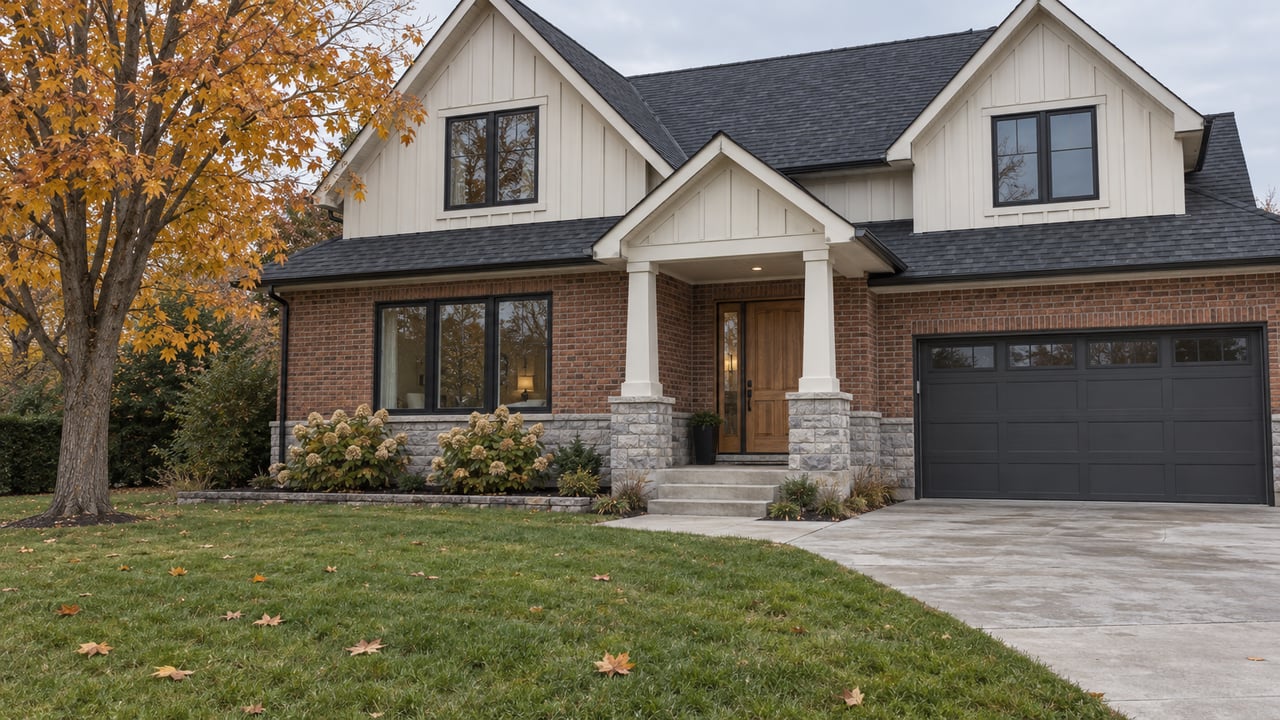
Downtown offers a mix of low to mid-rise condos, townhomes, and some mid-century apartments. Many buildings cluster near the waterfront and Allandale area, which helps you keep errands and recreation close. New infill projects add modern finishes and amenities that are attractive for lock-and-leave living. In some buildings, you may find more negotiation room than with detached homes.
Heritage and infill homes
You will find renovated older homes on walkable streets near Dunlop Street, plus newer infill that blends into established blocks. These homes vary in size and character, so plan a few tours to compare layouts, parking, and yard space. If you like a blend of charm and convenience, this segment can be a great fit. Always budget for a home inspection and routine maintenance planning.
Waterfront and views
Waterfront condos and homes near Kempenfelt Bay can be competitive. Views, balconies, and proximity to trails add lifestyle value that many buyers prioritize. If you are considering a property close to the water, review local floodplain information and conservation guidelines during due diligence. This helps you understand any restrictions and long-term plans for shoreline areas.
Outside the core
Beyond downtown, Barrie and wider Simcoe County offer detached homes, bungalows, and newer subdivisions. Rural properties are also available, and some use wells and septic systems that require different upkeep. If you love downtown amenities but want more space, consider neighborhoods a short drive away. Your tradeoff is usually more square footage for a slightly longer trip to the waterfront.
Pricing and negotiating
Housing in Barrie is often more affordable than many parts of the GTA, though demand from regional buyers has pushed values over time. Expect tight supply and faster offers on detached homes and properties with exceptional features like views or walkability. Some condo buildings may offer more choice and pacing. Getting pre-approved and working with a local advisor helps you compete where it matters and stay patient where it pays off.
Taxes, closing costs and due diligence
You will pay Ontario’s provincial land transfer tax when you buy in Barrie. You will not pay Toronto’s municipal land transfer tax, which can lower closing costs compared to buying in the City of Toronto. Plan for a home inspection, a local real estate lawyer, and a thorough review of condo documents if you are purchasing a unit. For waterfront or low-lying properties, check conservation authority and floodplain mapping, and ask about any planned developments that could affect views or traffic.
Transit and commuting
Driving via Highway 400
Highway 400 connects Barrie to the GTA. Travel time varies with traffic, weather, and your destination in the city. If you plan to drive, a reliable vehicle and winter-ready tires are practical essentials. Try your commute at typical hours before you commit to a location.
GO train options
Downtown Barrie is served by the Allandale Waterfront GO station, and there is also Barrie South. GO trains offer a direct link to Toronto, with schedule and travel time that differ from inner-GTA routes. Some commuters combine driving and GO to balance time and convenience. Check parking options and train timing to match your work schedule.
Local transit and active travel
Barrie Transit connects neighborhoods across the city, and regional services link nearby communities in Simcoe County. If you live near the core, you can walk to dining, shops, and the waterfront trails. Cycling infrastructure and pedestrian-friendly areas make car-light living possible for many daily needs.
Test your route
Before you buy, test both driving and GO options at your typical commute times. Factor in all costs, including fuel, parking, and fares. If you have hybrid flexibility, estimate time for 2 to 3 trips per week instead of five. A realistic commute plan helps you choose the right pocket of downtown.
Costs and services
Property taxes and utilities
Property taxes vary by assessment and the city’s tax rate. Ask for recent tax figures on homes you are considering to compare neighborhoods. Electricity is distributed locally, natural gas is available through regional providers, and municipal water and wastewater serve most in-city properties. Rural homes may have wells and septic systems with different maintenance schedules and costs.
Education and post-secondary
Public and Catholic school boards operate schools in Barrie, and French-language boards also serve the area. Verify attendance boundaries if a specific program or proximity matters to you. Georgian College has a strong local presence that supports the regional economy and drives rental demand in some areas. If you are investing, that can shape your strategy.
Healthcare and services
Royal Victoria Regional Health Centre is Barrie’s primary hospital, with clinics and specialty care expanding alongside population growth. For rare or highly specialized needs, referrals to Toronto may apply. Downtown also offers access to community services, libraries, and recreation programs. Childcare availability can be competitive, so join waitlists early when possible.
Lifestyle in Downtown Barrie
Waterfront and culture
Downtown centres on Kempenfelt Bay and the waterfront trail, with the Spirit Catcher sculpture as a landmark. Dunlop Street brings restaurants, cafes, and local shops together in a pedestrian-friendly zone. The MacLaren Art Centre, farmers’ markets, and seasonal festivals give you cultural options year-round. If walkability and vibrant public spaces matter to you, the core delivers.
Four-season recreation
You can boat, paddle, and fish on Lake Simcoe in the warm months, then enjoy skiing, snowmobiling, and ice-fishing nearby in winter. Expect more snow than much of the GTA and plan for winter-ready driving. Many residents choose downtown for easy access to trails and parks. It is a lifestyle that rewards being outdoors in every season.
Moving logistics
If you are moving into a condo, book elevators and move-in times in advance. Downtown parking can be structured or permitted, so ask about loading zones for moving trucks. Summer is the busiest moving season and winter moves can require extra planning for weather and snow clearing. Check building or municipal requirements early so moving day runs smoothly.
Smart buyer checklist
- Get mortgage pre-approval and budget for provincial land transfer tax and closing costs.
- Hire a local advisor who understands downtown Barrie and Simcoe County.
- Test your commute on Highway 400 and GO at your typical times.
- Order a home inspection and review condo status certificates as needed.
- Check conservation and floodplain maps for waterfront or low-lying homes.
- Verify school boundaries, daycare availability, and healthcare proximity.
- Review zoning and nearby development applications that may impact views or traffic.
- Confirm utilities and services, including well or septic on rural properties.
Work with a local team
Your move is about more than a property. It is about aligning your day-to-day life with the waterfront, walkability, and commute that fit you best. You deserve a team that pairs deep local knowledge with elevated marketing and white-glove support from first tour to final keys. For tailored guidance, valuation insight, and a smooth transition to Downtown Barrie, connect with The JRB Group. Elevate your lifestyle — request a consultation.
FAQs
Is commuting from Barrie to Toronto realistic?
- Many residents do it by Highway 400 or GO train, but time and cost add up, so hybrid work or flexible hours make the move more practical.
Will I save on closing costs in Barrie vs Toronto?
- You will not pay Toronto’s municipal land transfer tax in Barrie, though Ontario’s provincial land transfer tax still applies, along with standard closing expenses.
How walkable is Downtown Barrie for daily needs?
- The core offers dining, shopping, and waterfront trails within a short walk, though some errands or workplaces may still require a car or transit.
What due diligence should I do near the waterfront?
- Review conservation and floodplain mapping, ask about shoreline regulations, and confirm any planned developments that could affect views, traffic, or construction noise.
What should I know about utilities and maintenance?
- In-city homes typically have municipal water and wastewater, while rural properties may use well and septic that require routine maintenance and periodic inspections.
Are schools and healthcare accessible in Barrie?
- Public and Catholic boards serve local students, and Royal Victoria Regional Health Centre provides hospital services, with referrals to Toronto for certain specialized care.