If you start your search thinking Barrie’s waterfront is one single market, you can miss the real story and overpay for the wrong kind of lifestyle. Along Kempenfelt Bay, value changes block by block based on access, planning, walkability, views, and how you actually want to live. If you are buying near the water in Downtown Barrie, this guide will help you understand what each micro-market offers, what trade-offs matter most, and how to shop with more confidence. Let’s dive in.
Why Barrie’s waterfront works like micro-markets
Barrie’s waterfront is not just a simple shoreline strip. The city describes the broader waterfront as roughly 10 km along Kempenfelt Bay, with a core public waterfront-features area of more than 5 km stretching from Johnson’s Beach to Tyndale Park. It also sits within a larger system of more than 350 hectares of parkland and more than 88 km of public trails.
That scale matters because not every waterfront-adjacent property gives you the same experience. Some homes put you steps from beaches, trails, restaurants, and events, while others offer a quieter setting or stronger boating access. BDAR also notes that average price data does not capture differences between geographic areas, which is exactly why buyers need to compare these pockets carefully.
Central waterfront lifestyle in Downtown Barrie
The downtown shoreline is the most urban waterfront option in Barrie. This area connects the bay to the city’s core through places like Meridian Place and Memorial Square, with nearby access to Heritage Park, Centennial Beach, the marina, and the Waterfront Trail. If you want low-maintenance living and a walkable day-to-day lifestyle, this is often where the search starts.
This pocket tends to suit buyers who care more about convenience than private land. You may be paying for the ability to walk to the waterfront, enjoy community events, and spend more time out in the city rather than maintaining a large lot. For many buyers, that is a lifestyle upgrade, not a compromise.
The trail network is a major part of the appeal here. Barrie’s Waterfront Trail runs about 6.7 km around the lake and connects to the North Shore Trail, which adds real value if walking, cycling, and easy outdoor access are high on your list. In this micro-market, public waterfront access can matter just as much as private shoreline.
Who this area fits best
The central waterfront often works well for buyers who want:
- Condo or low-maintenance living
- Easy access to restaurants and downtown services
- A more active, social waterfront setting
- Walkability to trails, parks, and public gathering spaces
- Regional transit connections nearby
Transit is shaping buyer appeal
Transit is becoming a bigger part of the downtown and Allandale value story. The Barrie Allandale Transit Terminal and Downtown Mini Hub became operational on September 21, 2025, beside Allandale Waterfront GO Station. The city says this project strengthens regional transit connections, supports intensification areas, and improves access for commuter and tourism travel.
For buyers, that can expand what “waterfront living” looks like. If you want a home near the bay but still need practical access for commuting, downtown and Allandale-adjacent pockets may offer a more car-light option than you expect. Barrie Transit rides are also free when connecting to the GO train within 30 minutes of arrival or departure.
North, West, and South Shore differences
Beyond the central waterfront, Barrie’s shoreline breaks into established bayfront pockets with very different energy. The city’s Waterfront Strategic Plan separates these into North Shore, West Shore, and South Shore. Each one offers a different relationship to the water.
West Shore is described as more active and event-oriented. Its parks are heavily used by residents and visitors and often host major events, which can create a lively public-facing feel. If you enjoy being close to activity, this pocket may feel more dynamic.
North Shore and South Shore are generally smaller in scale and used more for passive recreation. That can appeal to buyers who want a quieter setting and a more residential rhythm. At the same time, the South Shore does not have continuous water-edge trails in many areas because of private ownership, so the experience can be less seamless if daily waterfront walking is a priority.
The North Shore also has a distinct physical character shaped in part by historic railway-related infill. That history can affect lot patterns and access, which helps explain why some homes near the water feel very different from newer shoreline areas.
Boating access changes the value equation
If you are buying with boating in mind, waterfront living in Barrie should be measured by function, not just by a map pin. The City of Barrie Marina at 55 Lakeshore Drive includes 128 slips for boats 22 feet and under, 215 hydro slips for boats over 22 feet and up to 60 feet, transient slips, and a public boat launch. Centennial Park and Beach sits beside the marina, which adds another layer of convenience.
The city also highlights a wide range of water-based recreation tied to the waterfront, including boating, sailing, rowing, canoeing, kayaking, windsurfing, scuba diving, wake sports, yacht clubs, and a boat club. That means some buyers may not need direct private shoreline to enjoy a water-focused lifestyle. In some cases, proximity to the marina, launch access, and public amenities may deliver better day-to-day use than a property that simply has a water address.
The beach network also matters. Barrie maintains Johnson’s Beach, Minet’s Point Beach, and Tyndale Beach, with summer lifeguards on duty at Centennial and Johnson’s. If your ideal lifestyle includes beach access and family recreation, those public assets should be part of your home search criteria.
View corridors may offer smarter buying options
Not every strong waterfront purchase is directly on the shoreline. Barrie’s Official Plan supports active at-grade uses along the waterfront and encourages taller buildings adjacent to Lakeshore Drive to take advantage of bay views. Combined with ongoing planning work in Downtown Barrie and Allandale, that creates strong potential for view-oriented homes one step back from the water.
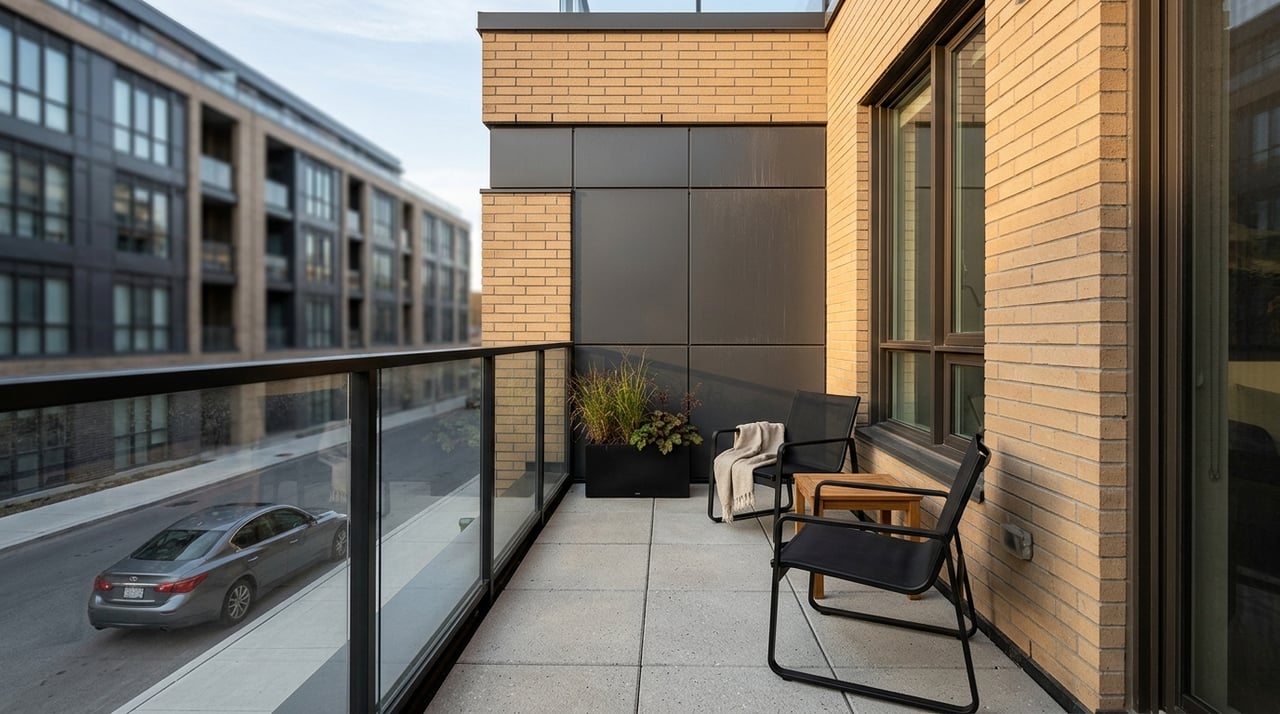
For some buyers, this can be the sweet spot. A newer condo, mid-rise unit, or infill home may trade direct dock access for better finishes, elevator access, parking, and lower exterior maintenance. If your goal is to enjoy the water visually and socially rather than manage a shoreline property, this option can make a lot of sense.
This is especially important if you are comparing lifestyle value rather than just lot lines. In Barrie’s waterfront micro-markets, a panoramic bay view and a short walk to the trail may fit your life better than direct frontage with more upkeep and more regulatory complexity.
Planning and permits matter near the shore
Waterfront buying is also about what you can do with the property after closing. Barrie is advancing a Community Planning Permit System for Downtown Barrie and Allandale that would set permitted uses, building types, heights, setbacks, and density. That means future development rules may play a meaningful role in how certain locations evolve.
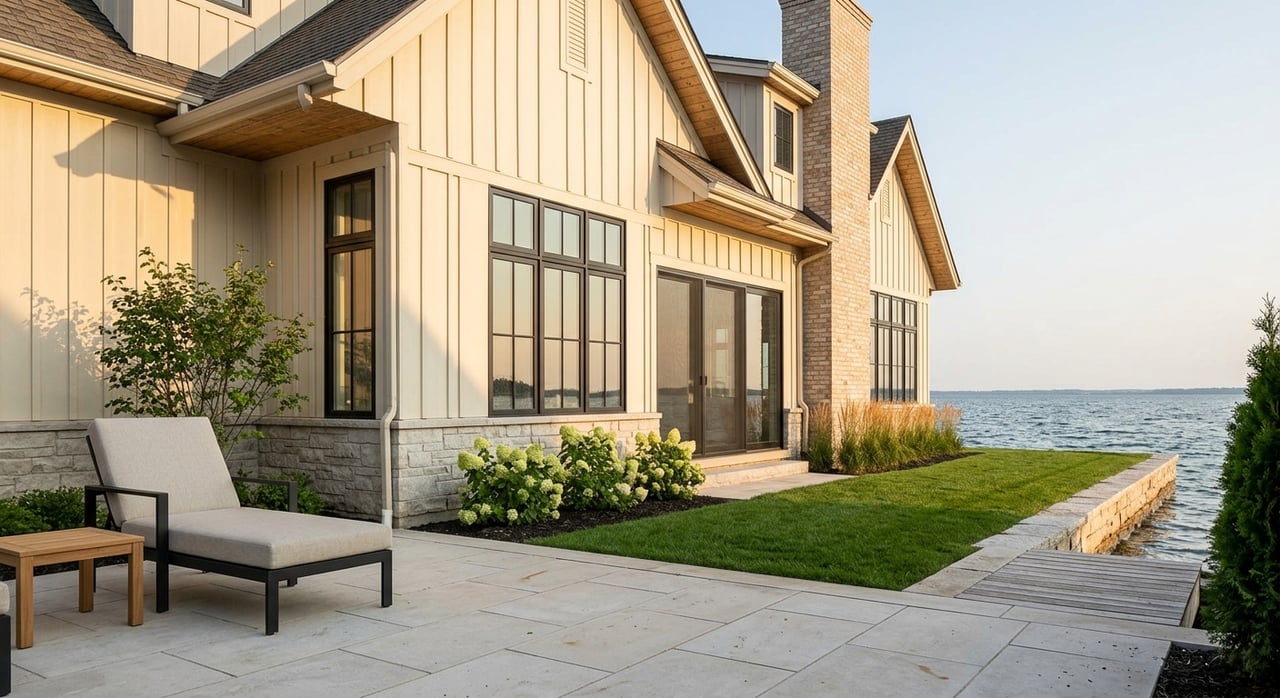
If you are considering a shoreline-abutting property, you also need to look closely at conservation regulation. The Lake Simcoe Region Conservation Authority can require permits where development, shorelines, flooding, or erosion hazards are involved. If your plans include additions, shoreline work, or dock-related changes, you should confirm whether the lot is in regulated land before assuming the process will be simple.
What the pricing tells you, and what it does not
Market-wide pricing can give you a starting point, but not the full picture. In Barrie, Q3 2025 medians were $770,000 for detached homes, $596,000 for townhouse and row units, and $445,000 for apartments. In the broader Muskoka and Simcoe County board, waterfront residential properties had a Q4 2025 median of $830,000 compared with $636,000 for non-waterfront residential properties.
That gap supports the idea that waterfront is its own price tier. Still, citywide and regional numbers do not tell you how one pocket compares with another, or whether you are paying for a dock, a beach, a view, a walkable lifestyle, or scarcity. In Barrie, those details often matter more than the label alone.
How to choose the right waterfront pocket
When you compare Downtown Barrie’s waterfront micro-markets, try to define what you are truly paying for. Most buyers are choosing between four main value stories.
1. Dock and boating convenience
If being on the water is the priority, focus on marina access, launch convenience, storage realities, and how often you will actually use your boat or gear. A property near the marina may serve your lifestyle better than one farther away with less practical access.
2. Walkable urban convenience
If you picture coffee, trails, events, and waterfront strolls as part of your daily routine, the central waterfront may be your best fit. This pocket is less about land and more about access, energy, and simplicity.
3. Quieter established shoreline living
If you want a calmer pace, North Shore and South Shore areas may feel more aligned. These pockets can offer a more residential atmosphere, though public water-edge access may not feel as continuous in every location.
4. Lower-maintenance view living
If you want the bay as your backdrop without the maintenance demands of direct shoreline ownership, a newer view-oriented condo or infill home may be worth a closer look. You may gain convenience and finish quality while still enjoying the waterfront experience.
The long-term outlook for buyers
Barrie’s long-term planning gives added context to today’s buying decisions. The Waterfront Strategic Plan says demand for the waterfront is expected to rise significantly over the next 10 to 20 years. Barrie’s Official Plan 2051 also targets 298,000 residents and 150,000 jobs by 2051, while supporting compact, walkable, transit-oriented communities.
For buyers, that does not guarantee outcomes, but it does reinforce the importance of scarcity, access, and planning. In a market like Downtown Barrie, long-term value is tied not just to the water itself, but to how the city continues to connect the waterfront with downtown vitality, public spaces, and transit investment.
If you want help comparing waterfront condos, bay-view homes, or shoreline properties in Barrie, The JRB Group offers a polished, high-touch buying experience built around lifestyle fit, local knowledge, and clear guidance at every step.
FAQs
What makes Barrie’s waterfront a group of micro-markets?
- Barrie’s waterfront stretches across multiple shoreline pockets, and each area offers a different mix of walkability, views, recreation, boating access, planning context, and housing style.
What is the best Barrie waterfront area for walkable urban living?
- The central downtown shoreline near Meridian Place, Heritage Park, Centennial Beach, the marina, and the Waterfront Trail is the strongest fit for buyers who want an urban, low-maintenance waterfront lifestyle.
What should buyers know about Barrie waterfront boating access?
- Buyers should compare proximity to the City of Barrie Marina, public boat launch access, slip options, and realistic storage for boats or gear, because boating convenience varies by pocket.
Are view properties in Barrie worth considering instead of direct waterfront homes?
- Yes. Barrie’s planning framework supports view-oriented development near Lakeshore Drive, so some buyers may find better value in a newer condo, mid-rise, or infill home with bay views and lower maintenance.
What permit issues can affect Barrie shoreline properties?
- If a property is near regulated shoreline, flooding, erosion, watercourse, or wetland areas, the Lake Simcoe Region Conservation Authority may require permits for certain work or changes.
How should buyers compare Barrie waterfront prices?
- Use market medians as a starting point, but focus on what each property actually offers, such as dock access, beach access, walkability, privacy, views, and maintenance level, because averages do not capture pocket-level differences.