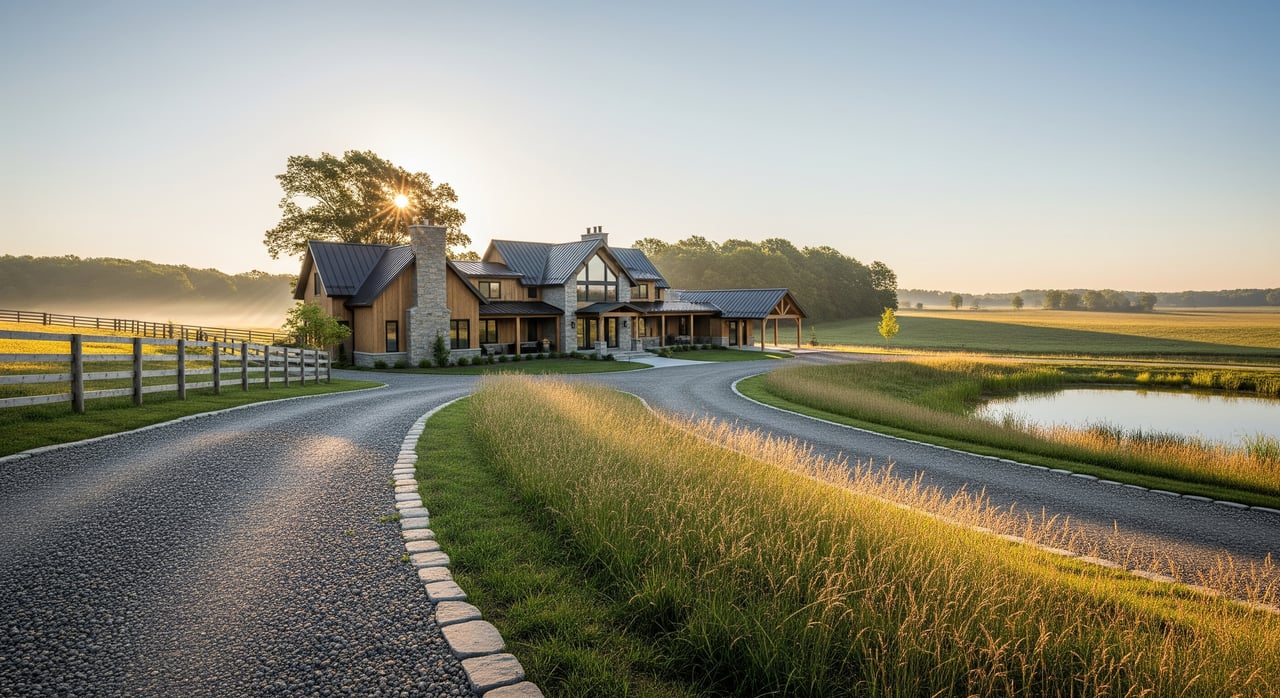
Craving more space, privacy, and fresh air without losing access to Barrie and the 400-series highways? Buying acreage in Essa can deliver that lifestyle, whether you want a quiet retreat, room for a workshop, or a small hobby farm. Shopping rural, though, is different from city buying. You’ll navigate wells and septic, zoning rules, and access questions you may not have faced before. This guide gives you a clear path to due diligence so you can buy with confidence. Let’s dive in.
Why Essa acreage stands out
Essa Township sits in southern Simcoe County with quick connections to Barrie, Alliston, and the Greater Toronto Area. You’ll find a wide range of parcel sizes, from 1–5 acre country lots to 5–20 acre hobby farms and larger holdings. Services and development density can change quickly even along the same road, so it pays to look closely at each property.
Buyers come for space, privacy, recreational use, and a lower-density lifestyle. You should also expect a different market rhythm than urban homes: fewer comparable sales, more variability in utility and connectivity, and sometimes longer search timelines. Patience and preparation go a long way.
Due diligence essentials
Zoning and permitted uses
Zoning determines what you can build and how you can use the land. In Essa and rural Simcoe County, common zones include residential, agricultural, agricultural–residential, and rural. Each zone has rules for setbacks, minimum lot size, accessory buildings, home-based businesses, secondary units, and keeping livestock.
- Confirm the current zoning and permitted uses with the Township of Essa.
- Ask if any existing structures are legal non-conforming and what that means for renovations.
- Check rules for outbuildings, riding arenas, and secondary suites before you plan improvements.
Lot creation and severance
If you hope to sever or subdivide in the future, do not assume it will be allowed. Lot creation typically requires County of Simcoe consent with municipal input. It is a multi-stage process with agency circulation, conditions, and possible surveys or servicing plans.
- Review county and municipal policies on minimum lot sizes and frontage.
- Expect several months for a typical severance timeline.
- Engage planning staff early for realistic guidance.
Access, roads, and rights-of-way
How you reach the property matters for safety, financing, and resale. Some acreages front a municipally maintained road. Others rely on private driveways or shared private lanes.
- Verify if the road is municipally maintained year-round or privately maintained.
- If access is private, obtain written maintenance and snow-plowing agreements and confirm your legal right-of-way.
- Ensure year-round access for passenger vehicles and emergency services.
Utilities and core services
Rural utility availability varies by location and can affect both costs and comfort.
- Electricity: Hydro service is common, but line extensions can trigger charges.
- Heating: Natural gas may not be available in pockets of Essa. Confirm whether the home uses propane, oil, electric, or a heat pump.
- Internet: Options can include DSL, cable in select corridors, fixed wireless, or satellite. Verify real-world speeds before you commit, especially if you work from home.
- Wastewater: Many acreages use on-site septic systems. Confirm approvals, age, and service history.
- Water: Most rural properties rely on drilled or shallow wells. Testing is essential.
Wells and septic: inspection and testing
Water quality and wastewater capacity are core health and safety items. Treat them as non-negotiable due diligence.
- Well water: Complete bacteriological testing for E. coli and coliforms, plus nitrates. Where local geology suggests it, test for inorganic parameters like iron, manganese, or arsenic. Because yield can be seasonal, ask about performance in wet and dry periods.
- Septic: Request pumping and inspection records. If records are missing, hire a qualified septic inspector or designer. For older systems, consider a soil evaluation and confirm there is a feasible area for future replacement if needed.
- Approvals: New or altered systems typically require permits through the Simcoe Muskoka District Health Unit or the local authority.
Environmental constraints and hazards
Conservation and natural heritage features can limit building areas and add permit steps.
- Regulated areas: Confirm with the Nottawasaga Valley Conservation Authority if any part of the property is regulated.
- Floodplains and wetlands: Low-lying parcels may face flood risk and insurance challenges. Some habitats require ecological assessment for any development.
- Soil and slope: Poor soils, steep grades, or extensive tile drainage can affect buildability and farming plans.
- Aggregate areas: Some rural properties sit within aggregate resource zones. Research local extraction history and future potential.
Title, easements, and encumbrances
A clean and clear title underpins your use and enjoyment of the land.
- Obtain an up-to-date title search and municipal tax history.
- Identify easements, hydro or utility corridors, restrictive covenants, and any rights-of-way.
- If a driveway crosses another parcel, confirm legal easements in writing.
Homes, barns, and outbuildings
Outbuildings are a major part of acreage value. They also introduce added maintenance and insurance considerations.
- Schedule a full home inspection plus structural reviews for barns and large outbuildings.
- Confirm building permit history with the Township of Essa.
- Ask about codes and insurance standards for agricultural structures.
Approvals and permits in Essa
Building permits
New homes, major additions, and most structural changes require permits from the Township of Essa. You will typically submit site plans, elevations, foundation details, and septic approvals as part of the application.
Conservation authority permits
If the property includes regulated features, the NVCA may require permits for work near watercourses, grading, filling, or shoreline alteration. Build extra time into your planning for reviews and conditions.
Health unit and septic certification
For new dwellings or system replacements, the Simcoe Muskoka District Health Unit can require permits and inspections. Budget for design and review timelines when planning a build or a significant renovation.
Agricultural separation and MDS
If you plan to build near livestock facilities, Ontario’s Minimum Distance Separation guidelines may apply. Planning staff use MDS in severance and rezoning reviews to ensure appropriate separation.
Development charges and connection fees
New construction can trigger municipal and county development charges and service connection fees. Confirm these costs early so you can budget with confidence.
Financing, taxes, and insurance
Mortgage and financing
Lenders view rural properties differently than urban homes. The land’s use, size, and marketability influence terms.
- Large acreages or properties with agricultural uses may require higher down payments, often 20 percent or more.
- Appraisal can be complex due to fewer comparable rural sales.
- Work with a mortgage broker who understands acreage lending and can match you with suitable products.
Taxes and assessment
Property taxes are based on municipal tax rates applied to assessed values from MPAC. If you plan to farm, ask the municipality and MPAC about eligibility for different tax classes. Review historical tax bills and check for any arrears during the title search.
Insurance for rural living
Insurers consider distance to fire services, well and septic systems, and outbuilding uses when quoting coverage.
- Homes far from municipal water and hydrants can face higher premiums.
- Confirm coverage for barns, workshops, and any hobby farm activities.
- Discuss liability needs if you host guests or run small-scale agricultural operations.
Practical lifestyle checks
Year-round access and winter conditions
Snow, ice, and long driveways are a reality. Confirm who maintains the road and how winter access works.
- Verify municipal versus private plowing.
- Ensure your driveway can accommodate emergency vehicles and deliveries.
- Consider distance to groceries, healthcare, and school bus pickup.
Maintenance and operating costs
Acreage ownership comes with ongoing upkeep. Budget for routine tasks.
- Driveway grading and snow removal.
- Well and septic servicing.
- Fencing, tree work, and outbuilding repairs.
Connectivity and work-from-home readiness
Internet availability varies widely across rural Essa. Before you remove conditions, confirm provider options and real-world speeds at the specific address. If fast upload speeds matter for your work, test them.
Timeline and common surprises
Typical timeline
- Search: Acreage listings can be limited. Expect a longer hunt for the right fit.
- Due diligence: Allow several weeks for inspections, water testing, and surveys.
- Permits and approvals: Building and septic approvals can take weeks to months depending on complexity.
- Severance: If applicable, reserve 3–6 months or more for county-level consent.
Avoidable deal-breakers
- No legal access or unclear rights-of-way.
- Significant conservation or floodplain constraints that limit where you can build.
- Poor well yield or contaminated water.
- Failing or non-approved septic with no feasible replacement area.
- Hidden easements or utility corridors limiting usable land.
- Insufficient internet service for your needs.
Your buyer checklist
Documents to request
- Current deed, parcel identifiers, and a recent title search with encumbrances.
- Recent survey or reference plan showing boundaries and any right-of-ways.
- Municipal tax bill and latest property assessment.
- Zoning certificate or municipal confirmation of permitted uses.
- Site plans, septic design reports, well logs, and building permit history.
- Conservation authority confirmation of regulated status.
- Recent utility bills and a list of available internet providers.
- Seller disclosure of known defects or disputes.
Inspections and tests to commission
- Professional home inspection for the dwelling.
- Qualified septic inspection with pumping records and design verification.
- Well testing: bacteriological and nitrates, plus additional tests if indicated.
- Survey or boundary confirmation if lines are unclear.
- Environmental screening if near wetlands, streams, or past industrial use.
- Soil and site evaluation for new construction or future septic replacement.
People and organizations to contact early
- Township of Essa planning and building for zoning and permits.
- County of Simcoe planning for severance or consent.
- Nottawasaga Valley Conservation Authority for regulated area guidance.
- Simcoe Muskoka District Health Unit for well and septic requirements.
- Local hydro distributor and telecom providers for service availability and extension costs.
- A mortgage broker experienced in rural lending and an insurance broker familiar with rural policies.
- A real estate lawyer with rural and acreage experience.
Next steps
Buying acreage in Essa can elevate your lifestyle, but success starts with smart due diligence. If you want help identifying red flags, coordinating inspections, and confirming approvals, you do not have to do it alone. Our team pairs local land expertise with a high-touch, concierge approach, from first showing to closing.
Ready to explore acreage with confidence? Connect with The JRB Group to map your search, align your due diligence, and secure the right property for how you live.
FAQs
Acreage in Essa: can I keep livestock?
- Possibly. It depends on zoning permissions, separation from neighboring livestock facilities under MDS guidelines, and municipal rules. Confirm specifics with planning staff before you buy.
Essa septic and wells: is one acre enough?
- Often yes for conventional systems, but suitability depends on soil, setbacks, slopes, and other constraints. Obtain a soil evaluation and confirm well and septic locations.
Severance in Essa: can I subdivide later?
- Not automatically. Severance depends on county and municipal policy, lot configuration, servicing, and official plan conformity. Consult County of Simcoe planning early.
Floodplains in Essa: how do I check?
- Ask the Nottawasaga Valley Conservation Authority and review municipal mapping. Development in regulated floodplains requires conservation authority confirmation.
Surveys for acreage: do I need one?
- A current survey is strongly recommended. Boundaries, driveways, easements, and potential encroachments are common rural issues and a survey clarifies them.
Private roads in Essa: who plows in winter?
- If access is private, maintenance and snow removal are typically handled by owners through written agreements. Confirm responsibility, cost sharing, and year-round access in writing.