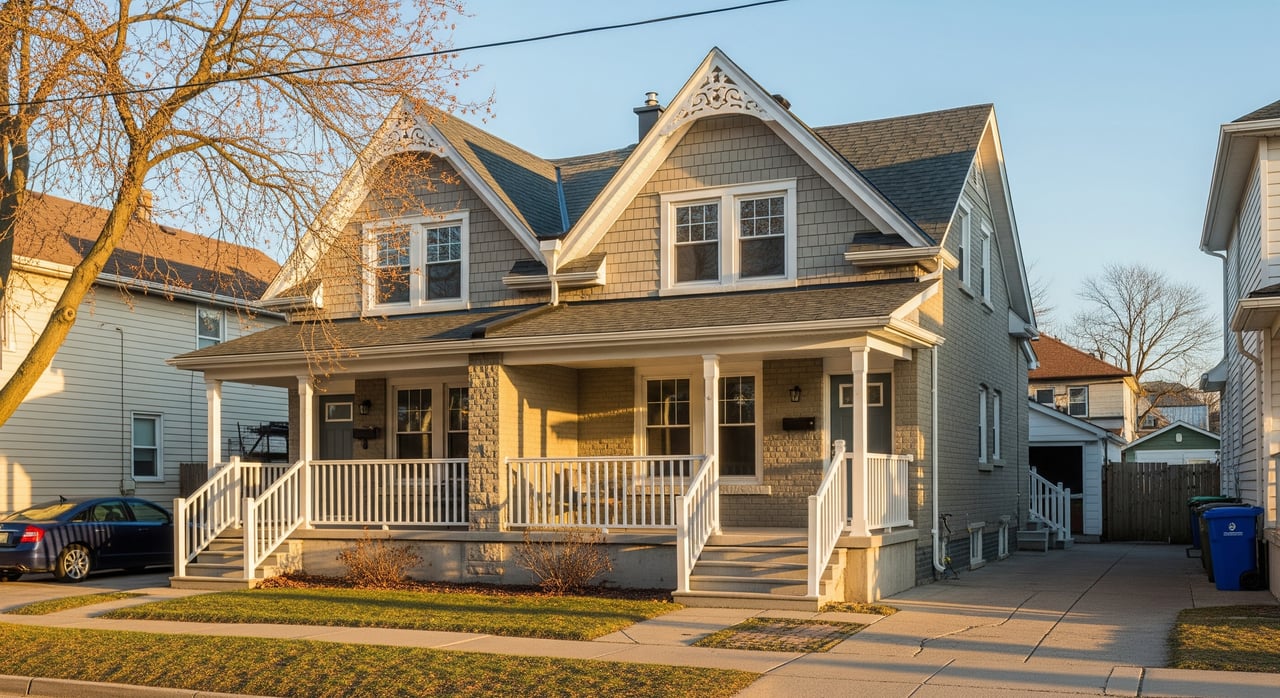
Are you weighing a duplex against a legal second suite in Downtown Barrie and wondering which path makes more sense? You’re not alone. The terms get used loosely, and small zoning or code details can change the plan. In this guide, you’ll learn the practical differences, how each option works under local rules, and how the choice can affect financing, taxes, and resale. Let’s dive in.
Quick definitions
Duplex
A duplex is a building with two self-contained dwelling units. Each unit has its own kitchen, bathroom, sleeping, and living space. In zoning language, this is a primary two-unit residential use. Lenders and appraisers often treat duplexes as multi-family investments.
Legal second suite
A legal second suite is a self-contained unit within a single dwelling. Think a basement apartment or in-law suite inside a detached or attached home. It is considered an accessory use to the main residence. Legal means it meets Ontario Building Code and municipal requirements with permits and final approvals.
How zoning treats them in Downtown Barrie
Zoning determines if a property can have a duplex or a secondary suite. Even if a suite exists physically, it may not be a permitted use until all approvals are in place.
- Duplex: Allowed only where the zone permits two-unit or multi-unit residential uses. This is a primary land use.
- Legal second suite: Often permitted as an accessory unit within a single-detached or attached dwelling. Most areas allow one secondary suite per dwelling, subject to local rules.
- Downtown nuances: Downtown Barrie can have heritage conservation rules and context-specific conditions. Exterior changes like new entrances or windows may require heritage review. Parking requirements can be different downtown, and some areas have reduced minimums or special conditions.
- Action step: Before you buy or renovate, contact City of Barrie Planning or Building Services to confirm what is permitted on the specific property, including parking, unit size limits, and whether heritage approvals are needed.
What makes a unit legal
A unit is legal when it complies with zoning, meets life-safety standards, and has municipal permits and final sign-offs. The Ontario Building Code, the Ontario Fire Code, and local bylaws work together in practice.
- Fire separation: Proper fire-rated assemblies between units and between a suite and the rest of the home.
- Smoke and CO alarms: Installed, powered, and interlinked as required.
- Egress: Safe exits. Bedroom windows and exits must meet egress standards for size and operation.
- Ceiling height, ventilation, and natural light: Habitable spaces must meet minimum standards.
- Plumbing and sanitation: Each unit needs its own bathroom and kitchen facilities, installed to code.
- Heating and electrical: Adequate heating, safe wiring, and panel capacity. Separate metering is not always required, but billing and insurance may be easier with separate meters.
- Permits and inspections: Building permits, scheduled inspections, and a final occupancy or certificate of compliance document legality. Fire inspections may be part of the process.
Financing and valuation differences
Your mortgage experience and valuation can shift based on the property type and how lenders classify it.
- Duplex: Often treated as multi-family. Underwriting and down payment expectations can differ. Some lenders consider a portion of documented rental income toward qualification. Owner-occupied two-unit properties can sometimes access owner-occupier terms, but programs vary.
- Legal second suite: Commonly underwritten as a single-family home with an accessory unit. Some lenders still review it differently if it is marketed as multi-unit. Ask how rental income is treated and what documents are required.
- Pro tip: Speak with a mortgage broker early. Clarify how the property will be classified and how rental income will be used in qualification.
Taxes, insurance, and rental law
A smart plan includes operating costs and compliance with rental rules.
- Property assessment: Adding a legal unit or converting to a duplex can trigger reassessment by MPAC. Assessed value and taxes may rise.
- Rental income and taxes: Rental income is taxable. You can deduct eligible expenses. Get advice on repairs vs. capital improvements and any principal residence implications.
- Insurance: Tell your insurer if you rent any part of your home. You will likely need a landlord or rental property endorsement. Premiums may change, and nondisclosure can affect coverage.
- Residential Tenancies Act: If you rent the unit, provincial tenant protections and rules apply. Understand leases, rent control, and notice requirements before you list the unit.
Design and heritage considerations downtown
Downtown properties are often closer together and sometimes sit within heritage contexts. That adds a layer of planning.
- Entrances and façades: New exterior doors, stairs, or window enlargements might need heritage review and building permits. Denial of exterior changes can limit a plan that depends on a separate entrance.
- Egress windows: Enlarging a basement window for egress may be essential but can be constrained by setbacks or heritage details.
- Parking: Downtown rules may reduce or modify parking minimums. Confirm what is required per unit and whether on-street solutions are acceptable.
Which option fits your goals
Choosing between a duplex and a legal second suite comes down to use, financing, and flexibility.
- You plan to live in one unit: A legal second suite inside a single-family home can offset your mortgage while keeping a primary-residence feel. Financing can be simpler and your resale pool stays broad.
- You are investing for income: A purpose-built or converted duplex can enhance rental potential and investor appeal. It may be underwritten as multi-family, which can affect down payment and rates.
- You want flexibility: A legal second suite offers the option to use the space for family, long-term guests, or rental. A duplex is more clearly two separate homes.
- You value long-term resale: Legal documentation is key for both paths. Buyers pay premiums for certainty, safety, and documented use. Keep permits, inspections, and certificates on file.
Step-by-step to add or legalize a suite in Barrie
- Research the property
- Confirm the zone and permitted uses with City of Barrie Planning or Building Services.
- Ask about parking, unit size limits, and any downtown or heritage rules.
- Speak with Barrie Fire & Emergency Services about fire separation, alarms, and egress.
- Engage qualified professionals
- Hire a designer or architect with Ontario Building Code experience for secondary suites.
- Arrange structural, HVAC, and electrical assessments as needed.
- Secure approvals
- Submit building permit applications with drawings and specifications.
- If exterior changes affect a heritage façade, obtain approvals from the heritage authority.
- If the plan does not meet zoning, a minor variance may be required before permits.
- Build and pass inspections
- Complete construction and upgrades.
- Schedule inspections at required stages. Address any deficiencies.
- Obtain fire inspection or sign-off where required.
- Finalize and document
- Receive final inspection and occupancy or certificate of compliance. This documents the unit as legal.
- Update insurance and notify your lender if required.
- If renting, use leases that align with the Residential Tenancies Act.
Buying? Your due diligence checklist
- Permits and certificates: Ask for building permits, inspection records, and occupancy or compliance certificates for the suite.
- Fire safety documentation: Request any recent fire inspection report or proof of compliance.
- Zoning and heritage: Confirm permitted use, parking, and heritage constraints with the City.
- Utility details: Clarify metering, panel capacity, and who pays utilities.
- Leases and rent roll: Review current leases, rental amounts, and payment history, if tenanted.
- Insurance confirmation: Ask for proof that the current owner’s insurance covers rental use.
- Outstanding orders: Request disclosure of any open orders or notices from the City or fire department.
Selling? Prepare your file
- Assemble paperwork: Permits, drawings, inspection reports, and final occupancy or compliance letters.
- Heritage approvals: Include any heritage permissions or conditions.
- Renovation records: Keep invoices and contractor credentials. These support buyer confidence.
- Rental documentation: Provide leases, rent roll, and deposit details, if applicable.
- Professional advice: Speak with tax and legal advisors about rental income reporting and capital gains.
Common pitfalls to avoid
- Assuming a suite is legal because it exists: Without permits and final approvals, it may be non-conforming.
- Overlooking egress and fire separation: These are life-safety items and frequent causes of inspection failure.
- Ignoring heritage or exterior rules: A denied entrance or window can halt a plan.
- Underestimating taxes and insurance: MPAC reassessment and rental endorsements affect carrying costs.
- Misreading landlord rules: Short-term rental and eviction assumptions often conflict with the law. Verify current rules.
How your advisor helps in Downtown Barrie
A local advisor helps you align your plan with zoning, permits, financing, and the market. You get clarity on the right path for your goals, whether that is a streamlined legal second suite, a duplex purchase, or positioning your property for sale with full documentation.
Ready to explore your options or review a property file before you commit? Connect with The JRB Group for a tailored plan that fits your lifestyle and investment goals.
FAQs
Is a basement suite automatically legal in Barrie?
- No. A physical suite is not legal until zoning, building code, and municipal permits are met and final approvals are issued.
Do I need a separate entrance for a legal second suite?
- Not always. A safe means of egress is essential. Requirements vary by layout and must meet Ontario Building Code and municipal standards.
Will adding a legal second suite raise my property taxes?
- Possibly. MPAC may reassess the property after legalization, which can increase taxes if assessed value rises.
Can I rent a second suite as a short-term rental in Barrie?
- It depends on current municipal rules and any licensing. Confirm City of Barrie regulations before listing short-term.
How long does it take to legalize a second suite?
- Timelines vary with scope and approvals. Expect design, permitting, construction, inspections, and final sign-off that can take weeks to several months.
How do lenders treat duplexes versus second suites?
- Duplexes are often underwritten as multi-family. Second suites inside a single-family home are commonly treated as single-family with rental income. Policies differ by lender.