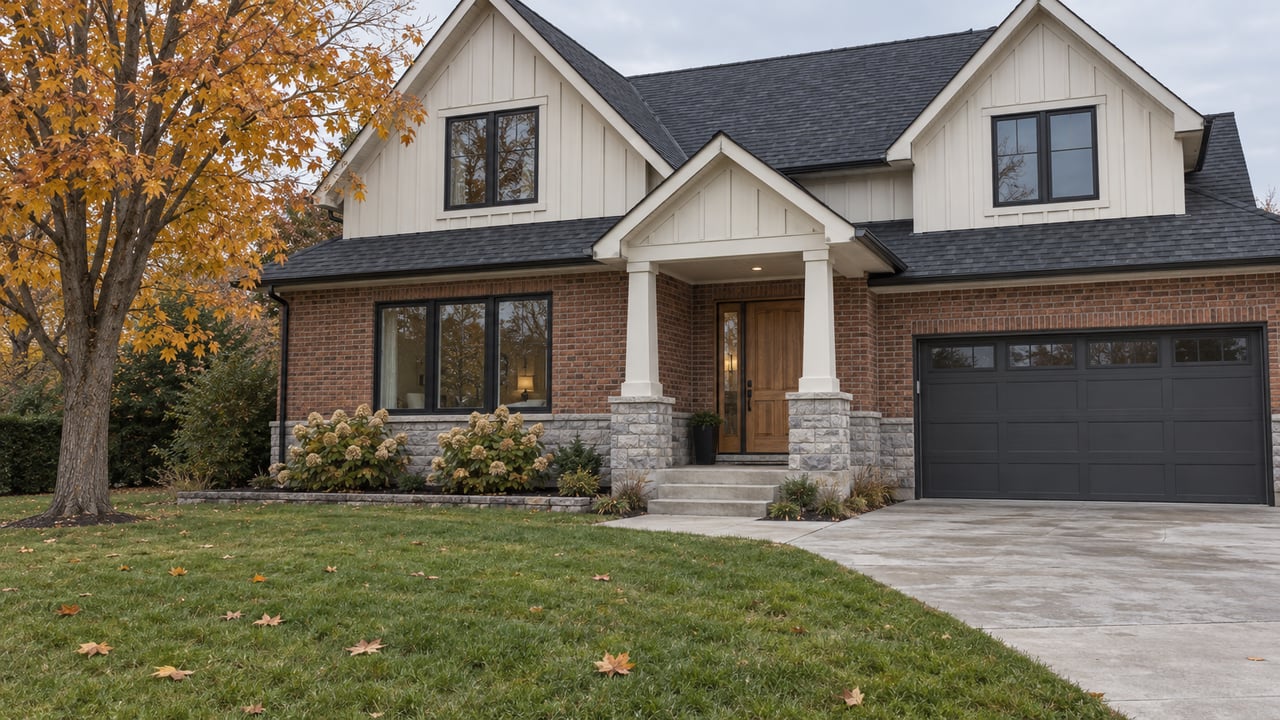
Selling your home can feel simple at first: decide to move, put a sign on the lawn, and wait for offers. In Alcona and the wider Innisfil market, the reality is usually more layered than that. If you want a smoother sale and fewer surprises, it helps to understand the timeline from the day you decide to sell to the day you hand over the keys. Let’s dive in.
Start With a Realistic Selling Timeline
One of the biggest questions sellers ask is, “How long will this take?” In Alcona and Innisfil, the safest planning assumption is weeks, not days.
Recent local data points support that view, even though they are not directly comparable. TRREB reported detached homes in Alcona averaging 45 days on market in Q4 2025, detached homes in rural Innisfil averaging 69 days on market in Q1 2026, and a June 2026 Alcona market snapshot from Zolo showed a 26-day median days on market. The takeaway is simple: some homes move faster, some take longer, and your timeline can vary by property type, pricing, presentation, and micro-location.
That matters because broader market conditions can also shape buyer behavior. TRREB’s May 2026 update showed GTA sales up year over year while new listings were down, but the board also described buyer sentiment as cautious. Even in an improving market, you should plan for a sale process that takes thoughtful preparation and patient execution.
Phase 1: Choose Representation
Before an agent provides services or assistance, RECO says you should receive the Information Guide. This is an important first step because it helps you understand how representation works in Ontario and what to expect from the relationship.
RECO also recommends interviewing at least three agents. As you compare options, ask about local experience, marketing strategy, staging support, professional photography, advertising, and open house plans.
This is also the stage where you confirm the agent is properly registered. If you are comparing service levels, remember that RECO says there is no standard set of services and no standard term for a representation agreement.
Phase 2: Review the Listing Agreement
Once you choose your agent, the next step is the representation agreement. RECO says this agreement must be in writing and should clearly explain duties, services, fees, termination terms, and the expiry date.
That timing can vary quite a bit. Some agreements may last a day, a few weeks, or several months, depending on what you and the brokerage agree to.
It is also important to understand that commission and fees are negotiated. RECO says they are not fixed or approved by RECO or any real estate board, so this part of the process should be treated as a conversation, not a standard rate.
Phase 3: Prepare Your Home for Market
This stage is where the timeline often starts to take shape. Some homes need only light touch-ups and a quick photo day, while others benefit from repairs, staging, decluttering, and a more detailed pre-listing plan.
If you have completed renovations or upgrades, keep your receipts and permit records organized. RECO has cautioned against inaccurate listing information, especially when details like the age of improvements are advertised without verification.
Preparation can also include completing a property information statement. If you do, RECO says it should be clear whether the statement is for the agent’s internal use only or intended for buyers.
Phase 4: Build the Marketing Plan
Once your home is ready, your agent can prepare the listing materials and launch strategy. This is where pricing, photos, digital presentation, scheduling, and showing logistics come together.
For many sellers, this part feels fast because a lot happens behind the scenes. A polished listing can include professional visuals, strong property descriptions, and a plan designed to bring qualified buyers through the door in the first days on market.
In a community like Alcona, where buyer interest can vary by home style and location, presentation matters. A well-prepared launch helps you enter the market with clarity instead of rushing to fix details later.
Phase 5: Go Live and Manage Showings
When the listing goes live, the process shifts from preparation to access. This is often the most disruptive part of the sale because you need to keep the home ready while accommodating showings and, in some cases, open houses.
RECO recommends removing valuables, medications, bills, bank statements, and personal photos before an open house. You should also ask your agent whether attendees will be escorted, whether identification will be checked, and whether photos or videos will be allowed.
That guidance is a good reminder that showings are not only about convenience. They also involve privacy, safety, and disclosure decisions, which is why your agent’s process matters.
Phase 6: Review Offers and Negotiate
Once buyers begin to respond, offers can come in quickly or build over time. In some cases, you may receive one strong offer. In others, you may find yourself managing competing offers.
RECO says that buyers who submit written offers are entitled to know how many competing offers exist. As the seller, you decide how much content from those offers, if any, will be shared, and you can change those instructions at any time.
You also have options. You may accept the best offer, negotiate with one buyer, set other offers aside, or reject all offers.
It is also wise to expect conditions in at least some offers. RECO notes that a buyer’s pre-qualification does not safely remove the need for a financing condition, so even in a competitive setting, conditional offers can still be part of a normal transaction.
Phase 7: Move From Accepted Offer to Firm Deal
An accepted offer is a major milestone, but it is not always the finish line. If the offer includes conditions, there may be a short period where the buyer works through financing or other agreed steps before the deal becomes firm.
This stage can move quickly, but it requires attention to deadlines and paperwork. Your agent should keep the process organized so you know what has been satisfied, what remains outstanding, and when the transaction is truly firm.
If timing is tight, the closing guide in the research notes that the Agreement of Purchase and Sale sets key terms such as the price, deposit, closing date, and conditions. It also notes that if speed matters, confirming lawyer availability before signing can help avoid delays.
Phase 8: Prepare for Closing
After the deal is firm, the timeline shifts toward legal, financial, and moving logistics. The closing date is negotiated in the Agreement of Purchase and Sale, so the gap between acceptance and closing can vary depending on what both parties agree to.
This is also the point where disclosure responsibilities stay important. In Ontario, patent defects are issues that can be observed through reasonable care, while latent defects are dangerous or make a property unfit for habitation and must be disclosed.
RECO also says that if a seller’s agent knows a fact the seller is legally obligated to disclose, that fact must be disclosed to every interested buyer, with written acknowledgement sought where possible. If you completed a property information statement intended for buyers, it must also be disclosed and provided on request.
Phase 9: Understand Seller Costs
Your sale price is only one part of the financial picture. As you plan for closing, it helps to understand which costs may affect your net proceeds.
RECO says commission amounts are negotiated, not standardized. The research also notes that sellers should plan for possible legal fees, mortgage discharge fees, and prepayment penalties if there is still a mortgage registered on title.
For taxes, the CRA says sellers usually do not pay tax on the gain from selling a principal residence, while other property types may trigger tax consequences. If your property is not your principal residence, it is wise to get advice early so there are no surprises.
What This Means for Alcona Sellers
If you are selling in Alcona, the main lesson is to give yourself enough runway. A realistic sale timeline includes choosing representation, preparing the property, launching the listing, managing access, negotiating offers, and then getting through closing.
That timeline may feel shorter for a move-in-ready home with strong presentation and pricing. It may feel longer if your home needs repairs, if buyer feedback is mixed, or if your closing needs to coordinate with another purchase.
The good news is that a clear plan can make the process feel much more manageable. When each phase is handled with care, you are better positioned to protect your time, your privacy, and your outcome.
If you are thinking about selling in Alcona or anywhere in Innisfil, The JRB Group can help you build a timeline, prepare your home for market, and navigate each step with polished, full-service support.
FAQs
How long does it usually take to sell a home in Alcona?
- Local data points suggest planning for a multi-week selling window. Recent figures cited in the research ranged from a 26-day median in one Alcona snapshot to 45 days for detached homes in Alcona and 69 days for detached homes in rural Innisfil.
What should you ask before signing a listing agreement in Ontario?
- Ask what services are included, how long the agreement lasts, how fees are structured, how the agreement can end, and what marketing and showing plan will be used for your home.
What does RECO say sellers should do before an open house?
- RECO recommends removing valuables, medications, bills, bank statements, and personal photos, and asking your agent how attendees will be monitored and whether photos or videos will be permitted.
What happens if your Alcona home gets multiple offers?
- Buyers who submit written offers are entitled to know the number of competing offers. You can accept one offer, negotiate with one buyer, set others aside, or reject all offers.
What costs should sellers plan for when closing in Ontario?
- In addition to negotiated commission, sellers may need to budget for legal fees, mortgage discharge fees, and possible mortgage prepayment penalties. Tax treatment can also differ depending on whether the home is your principal residence.
What defects must sellers disclose in Ontario?
- Latent defects that are dangerous or make the property unfit for habitation must be disclosed. If your agent knows a fact you are legally required to disclose, that information must be shared with interested buyers.