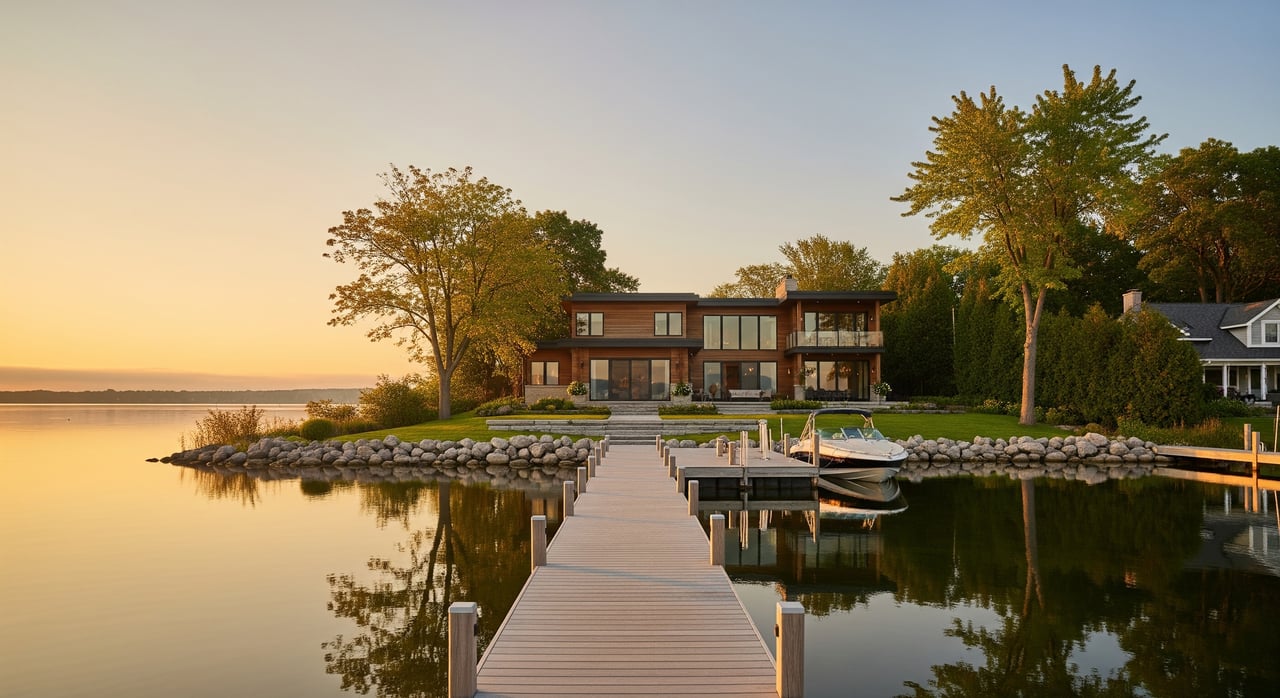
Waterfront pricing on Kempenfelt Bay is not a single number. It is a blend of land, water, home, and lifestyle features, shaped by regulations and market timing. If you understand which levers move value, you can price or pursue the right property with confidence.
Why Prices Rise on the Bay
Waterfront value comes from scarcity and experience. On Kempenfelt Bay, you are buying a unique setting as much as a structure. The width of your shoreline, the quality of your water access, the view, and the ease of everyday living all show up in the final price. Global research into waterfront markets shows lakefront homes can command notable premiums over inland comparables, but local premiums vary by shoreline, services, and buyer demand, so you should expect variation bay by bay according to Knight Frank’s analysis of global waterfront premiums and similar reports that place typical global lakefront premiums in a wide range as referenced here.
In Barrie, public investment in trails, parks, and the waterfront has elevated the lifestyle on and around Kempenfelt Bay. The city’s Waterfront Strategic Plan outlines upgrades that enhance daily enjoyment and walkability, which can support long-run demand for nearby properties per the City of Barrie.
This guide breaks down the lot and water factors, the home and lifestyle features, location and access, market dynamics, valuation methods, and practical steps for sellers and buyers.
Waterfront Lot and Exposure Factors
The land and water interface is the core value engine on Kempenfelt Bay. Each attribute below can move price up or down.
Frontage, Depth, and Shape
- Wider frontage often draws higher premiums because it improves privacy, view width, and flexibility for docks. Wider lots can also make future design choices easier.
- Lot depth and overall site size affect how you site the home, create outdoor rooms, and manage setbacks.
- Shape matters. Irregular or pie-shaped lots may offer great views but limit buildable area. Square or rectangular sites tend to be simpler for design and landscaping.
Shoreline Type and Water Depth
- Sandy or gently sloping bottoms with clear swim entries tend to outperform steep rock shelves or marshy edges. Deep water at the end of a dock increases boating utility and buyer appeal as common waterfront valuation guidance notes.
- If bottom conditions require dredging or major alterations, plan for regulatory hurdles and costs. Many shoreline works need conservation approvals.
View Corridors and Orientation
- Broad, uninterrupted sightlines and long over-water views command stronger premiums.
- South and southwest exposures are popular for light, warmth, and sunsets. Eastern exposure suits early light and calmer afternoons.
- Consider view protection. Mature trees, neighboring boathouses, and public structures can shape how the view feels from key rooms.
Topography, Privacy, and Access
- Gentle grades make daily use simple. Steeper slopes may require stairs, lifts, or terracing, which can be beautiful but add upkeep.
- Natural screening, setbacks, and thoughtful fencing increase privacy without sacrificing views.
- Wind exposure matters. Open water can amplify waves and winter ice shoves, affecting shoreline durability and maintenance.
Dockage and Boat Accommodation
- Existing legal docks, boathouses, and mooring systems expand buyer pools and save time. The size and draft of boats you can accommodate influences value.
- New or expanded docks may require permits from the Lake Simcoe Region Conservation Authority and can trigger other provincial reviews if navigation or water flow is affected see LSRCA permits and Ontario’s Lakes and Rivers Improvement Act guide.
Home and Lifestyle Features That Add Value
Once the land and water check the boxes, the home and amenities refine the premium.
Build Quality and Design Cohesion
- Premium materials, durable exteriors, and high-caliber craftsmanship show in person and in photos. Consistent architectural language reads as timeless and elevates perceived value.
- Large windows and smart floor plans that orient living spaces to the bay increase livability and buyer enthusiasm.
Indoor–Outdoor Living Spaces
- Terraces, covered porches, and well-designed transitions make the waterfront part of everyday life.
- Thoughtful glazing, operable walls, sun and wind management, and outdoor kitchens help a property live larger than its interior square footage.
Accessory Buildings and Waterfront Amenities
- Legal boathouses, cabanas, saunas, guest suites, and storage buildings enhance utility and privacy.
- Functional storage for boards, kayaks, and gear keeps the shoreline clean and improves showing impressions.
Turnkey Readiness and Ongoing Upkeep
- Updated systems, newer roofs and windows, and service records support buyer confidence.
- Low-maintenance hardscaping and durable shoreline treatments can reduce future costs. Waterfront upkeep needs are real, so proactive maintenance supports pricing power.
Location, Access, and Area Conveniences
Location on the bay shapes daily convenience and overall liquidity.
Proximity and Everyday Convenience
- Being close to downtown Barrie’s waterfront parks, trails, beaches, and marina increases year-round enjoyment and can broaden the buyer pool City of Barrie waterfront features.
- Quick access to Highway 400 and GO stations improves commuting and weekend usability for GTA-based buyers.
Quiet Versus Active Settings
- Some segments feel tranquil with minimal boat traffic. Others near marinas, beaches, or public access points are vibrant and social.
- Barrie’s Waterfront Strategic Plan adds amenities and trails, which can increase activation. Many buyers love this energy, while privacy-first buyers may prefer quieter stretches see the plan.
Community Services and Utilities
- Municipal water and sewer, reliable internet, quality roads, and snow clearance all influence the ownership experience. Availability of services can change perceived value, carrying costs, and long-term desirability.
Market Dynamics and Timing
Even outstanding properties are affected by timing, liquidity, and buyer mix.
Seasonality and Listing Windows
- Spring to early fall often produces the clearest showings and strongest emotional response because the water is active and landscaping shows well.
- Winter listings can work if presentation is excellent. Expect longer due diligence and more questions about shoreline conditions and access.
Supply, Demand, and Liquidity
- Kempenfelt Bay is a small, high-visibility market. The number of frontline sales in any season can be modest, which makes average prices volatile from one quarter to the next. Tracking sold data over longer windows is often more reliable than reading a single month.
- When supply is heavy, buyers have more leverage. When the right property appears and inventory is thin, premium pricing returns quickly.
Rates, Cash Buyers, and Profiles
- Rate-sensitive buyers can affect demand at certain price points, but premium waterfront also attracts cash and equity-rich purchasers. These buyers focus on quality, privacy, and uniqueness more than marginal rate shifts.
- Segment by intent. Primary-residence buyers value convenience and services, while second-home and lifestyle buyers prioritize shoreline and boating.
Valuation and Pricing Strategy That Works
Waterfront comparables must be chosen carefully. A precise, narrative-driven approach wins trust with buyers and appraisers.
Selecting True Waterfront Comparables
- Separate frontline waterfront from water-view condos and near-water homes. Marketing language can blur lines, so verify legal status and shoreline rights.
- Look at proximity on the same bay segment, similar frontage, shoreline type, and service level. Do not use inland or different-lake comps to set a price.
Adjusting for Lot and Water Variables
- Adjust for frontage width, depth to usable water, orientation, and topography.
- Consider any restrictions that limit future improvements, such as conservation setbacks or regulated flood areas LSRCA guidance.
Property Condition and Amenity Adjustments
- Account for the cost and time of upgrades. Finished, move-in-ready homes with cohesive design merit step-ups.
- Amenity packages like legal boathouses, quality docks, and extensive outdoor living support higher ranges if permits and compliance are in place.
Appraisals Versus Market Realities
- Lender appraisals may lag fast-moving sentiment, especially with thin comps. Be ready to present a narrative, maps, surveys, and a detailed adjustment grid.
- For condos along the bay, recognize the wide price spectrum from view suites to luxury penthouses. Asking ranges illustrate the spread between water-view condo living and frontline detached estates see a representative bay-view condo example and a high-end detached example on North Shore. Always favor sold data when available.
Smart Moves for Sellers and Buyers
Clarity and preparation create better outcomes on the bay.
Seller Playbook
- Calibrate price to frontage, shoreline quality, orientation, and legal status. Document what you own and what you do not.
- Prepare permits, surveys, and service details. If you have conservation or shoreline approvals, organize them for buyers LSRCA permits overview.
- Showcase the lifestyle. Stage outdoor zones, open water-facing rooms, and time photos for best light.
- Market across channels that reach qualified local and out-of-area buyers. Strong visual presentation matters.
Buyer Playbook
- Confirm riparian rights and any shore road allowances before you assume dock or boathouse rights. In Ontario, adjacent ownership does not always include the shoreline or lakebed learn why here and review shoreline law context.
- Check conservation regulations for any planned shoreline works, dredging, or grading. Many projects need approvals and technical studies LSRCA permit guidance.
- Ask about water quality and recent blue-green algae advisories. Seasonal events can affect recreation and perceived value LSRCA on phosphorus and algae advisories.
- Understand flood and erosion risks. Shoreline hazard watches, high winds, and ice shoves can impact maintenance and insurance costs LSRCA shoreline status.
- Get insurance quotes early, including overland flood and sewer backup. Waterfront premiums and coverage limits vary with risk appetite and market conditions current insurance insights.
Plan Your Waterfront Move
Kempenfelt Bay pricing reflects a finely tuned mix of lot, water, home, and lifestyle, plus permissions and timing. The most successful strategies separate what is rare and irreplaceable from what can be improved and then tell that story clearly.
If you want a valuation or acquisition plan tailored to your goals, we are here to help. Elevate your lifestyle with a private consultation from The JRB Group. Our team pairs local expertise with premium presentation and international distribution so your waterfront move is informed, confident, and seamless.
FAQs
How big is the price gap between frontline waterfront and water-view condos on Kempenfelt Bay?
- It varies by building, view quality, and market timing. Representative listings show condos trading far below detached frontline estates, which can reach the multi-million range, but always use recent sold data for your segment see an example condo listing and a north-shore detached example.
Do I automatically own to the water’s edge on Kempenfelt Bay?
- Not always. Shore road allowances and Crown ownership of the lakebed can limit rights. Verify title, survey, and any shoreline allowances with your lawyer overview here.
What permits might I need for a new dock or boathouse?
- Many shoreline works require conservation authority approvals and may involve provincial reviews if navigation or flow is affected LSRCA permits and provincial guidance.
How do algae or water quality issues affect value?
- Seasonal blue-green algae advisories can limit swimming and boating temporarily and may influence buyer sentiment. Review local monitoring and advisories before you buy LSRCA phosphorus and algae updates.
Are flood and erosion real risks on the bay?
- Yes. High winds, waves, and ice movement can damage docks and shorelines. Factor in maintenance plans and insurance when evaluating a property LSRCA shoreline status.
How do city investments around the waterfront influence pricing?
- New parks, trails, and amenities improve lifestyle and walkability, which supports demand. They can also increase public activity near private shorelines Barrie’s Waterfront Strategic Plan.
What carrying costs should I model beyond mortgage and taxes?
- Insurance endorsements for water risks, shoreline and dock maintenance, utilities for larger homes, and potential permit costs. Get quotes early insurance context and review city service details.
How should I compare waterfront properties for pricing?
- Use true like-for-like comps on the same bay segment with similar frontage, shoreline type, services, and legal rights. Adjust for exposure, topography, condition, and amenity package. When in doubt, get a tailored analysis.